Key Takeaways
-
Salt air and humidity in Apollo Beach rapidly corrode aluminum frames and promote mold/mildew growth on screens; professional soft washing every 6-12 months protects your investment and prevents costly damage.
-
High-pressure washing can tear delicate pool screens, causing expensive repairs; use soft washing techniques with eco-friendly solutions instead to safely remove algae, mildew, and coastal grime without damaging mesh.
-
Many Apollo Beach HOA communities enforce exterior maintenance standards; regular professional cleaning twice yearly keeps you compliant and avoids violation notices and potential fines.
-
Combining pool cage cleaning with deck pressure washing and other seasonal maintenance tasks saves time, improves curb appeal, and maintains consistent home value in coastal communities.
If you live near the water in Apollo Beach, you already know what salt air and humidity can do to your pool cage. Screens turn dingy, aluminum frames get streaky, and before you know it, your once-sparkling outdoor oasis looks tired and neglected. The good news? Pool cage cleaning Apollo Beach FL homeowners can trust doesn’t have to be a mystery or a weekend-long chore that leaves you sore and frustrated.
Whether you’re a busy parent squeezing in yard work between soccer practices, a retiree who wants to relax poolside instead of scrubbing screens, or someone who just moved into an HOA community with strict appearance rules, this guide is for you. We’re breaking down seven practical, actionable tips to keep your pool enclosure looking fresh all year long. Grab a glass of sweet tea, and let’s get into it.
Why Pool Cage Cleaning Matters So Much in Apollo Beach
Apollo Beach sits right on Tampa Bay, which means your home gets a steady dose of salt spray, humidity, and intense Florida sun. That combination is basically a recipe for mold, mildew, and algae buildup on your pool screen and frame. Left untreated, these issues don’t just look bad—they can actually shorten the life of your enclosure.
- Salt air corrodes aluminum framing faster than inland areas
- High humidity feeds mold and mildew growth on screens
- Pollen and organic debris cling to mesh and create dark streaks
- Hard water spots from sprinklers etch into glass and screens over time
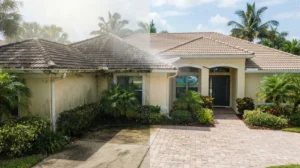
- Neglected cages can lower curb appeal and home value
Regular cleaning isn’t just about looks. It protects your investment and keeps your pool area safe and enjoyable for family and friends.
1. Start With a Gentle Rinse Before Deep Cleaning
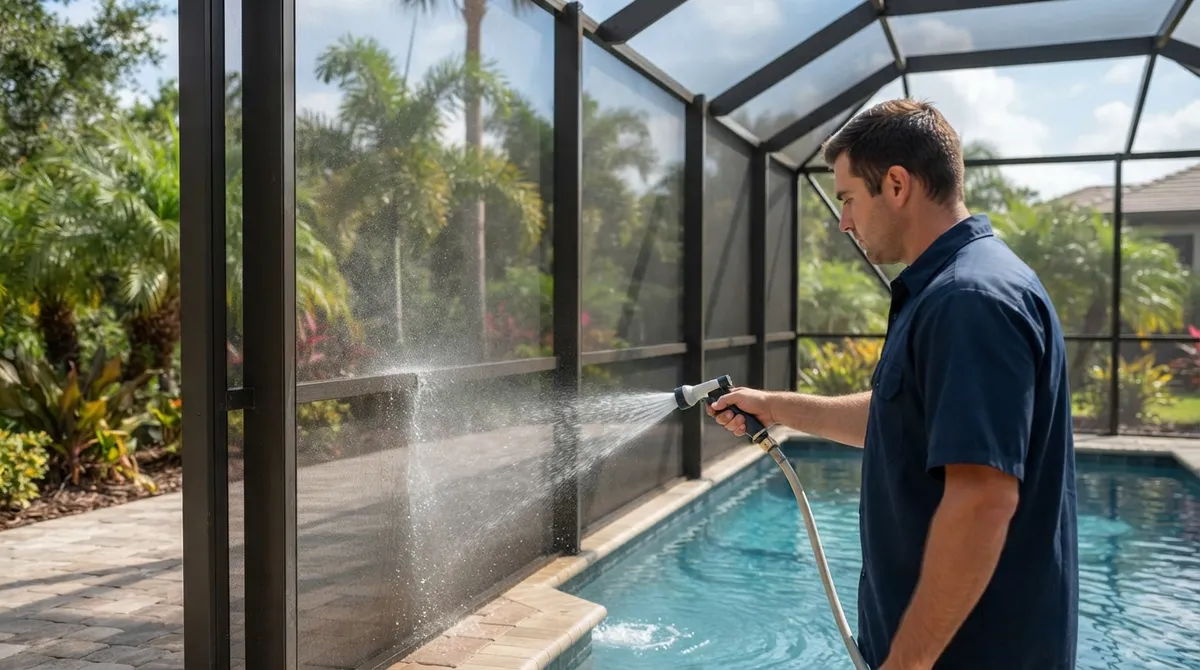
Before breaking out any cleaning solutions, always give your pool cage a good rinse with a garden hose or low-pressure setting. This step knocks off loose dirt, leaves, and cobwebs so you’re not just pushing grime around later. Think of it like rinsing dishes before loading the dishwasher—it makes everything else work better.
Skipping this step is one of the most common mistakes homeowners make. A proper rinse also helps you spot any damaged screens or loose panels before you start scrubbing, which saves you from surprises down the road.
2. Choose Soft Washing Over High-Pressure Blasting
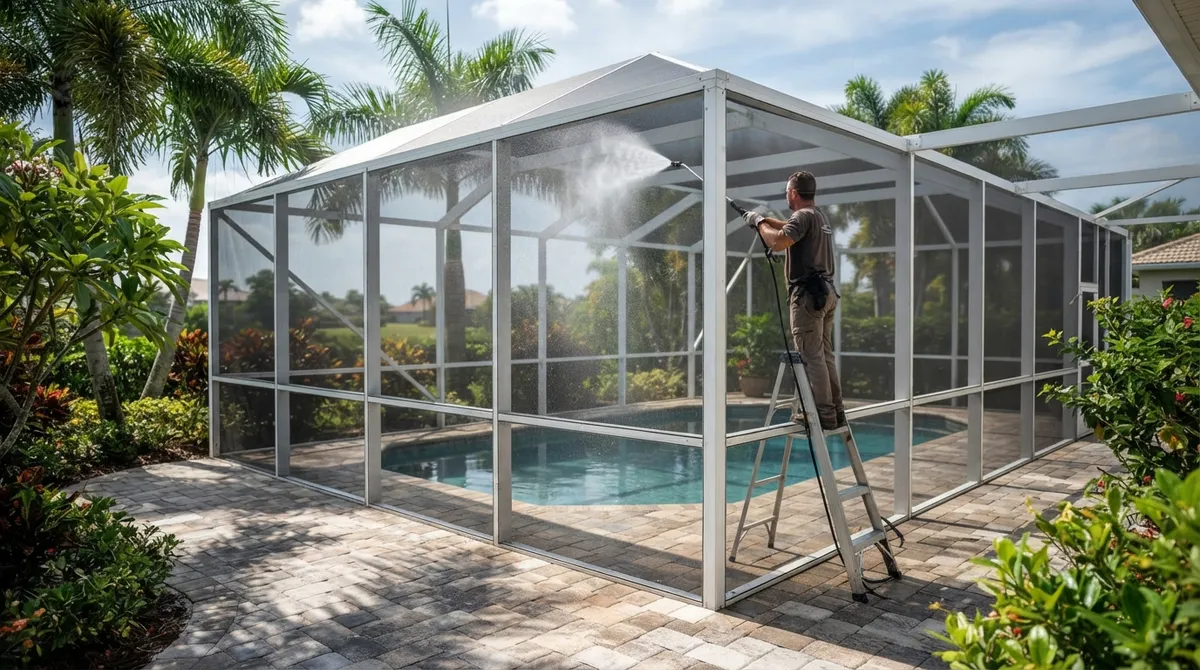
Here’s something a lot of DIYers don’t realize: pool screens are delicate. Blasting them with a high-pressure nozzle can rip holes right through the mesh, turning a cleaning project into an expensive repair bill. That’s why professionals rely on soft washing techniques designed specifically for fragile surfaces.
Soft washing uses lower pressure combined with eco-friendly cleaning solutions to lift dirt, algae, and mildew without damaging screens or frames. If you want to understand the difference better, check out this helpful comparison on soft wash vs pressure wash which is best for your Florida home. It’s a game-changer for anyone unsure which method fits their pool enclosure.
Why This Matters for Apollo Beach Homes
Coastal humidity means your screens are often more brittle and prone to tearing than screens in drier climates. Using the wrong pressure setting could mean replacing an entire panel, which costs far more than a professional soft wash service ever would.
3. Use the Right Cleaning Solution for Aluminum and Screen Material
Not all cleaners are created equal. Harsh chemicals can discolor aluminum framing or degrade screen mesh over time. Here’s a quick comparison of common cleaning approaches homeowners consider:
| Cleaning Method | Best For | Risk Level | Recommended Frequency |
|---|---|---|---|
| Plain water rinse | Light dust and pollen | Low | Monthly |
| Mild soap and soft brush | Moderate grime buildup | Low to Medium | Every 2-3 months |
| DIY bleach solution | Heavy mold and algae | High (can damage screens) | Not recommended without expertise |
| Professional soft washing | All levels of buildup, coastal grime | Very Low | Every 6-12 months |
As you can see, professional soft washing offers the best results with the lowest risk to your screens and frame. It’s why so many Hillsborough County homeowners choose to leave this task to trained technicians.
4. Don’t Forget the Pool Deck While You’re At It
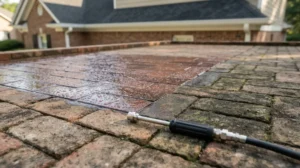
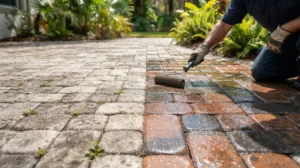
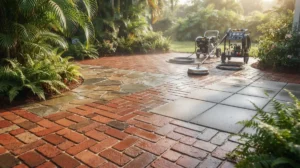
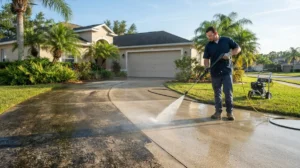
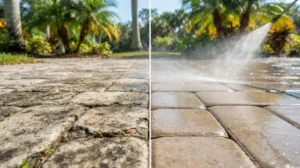
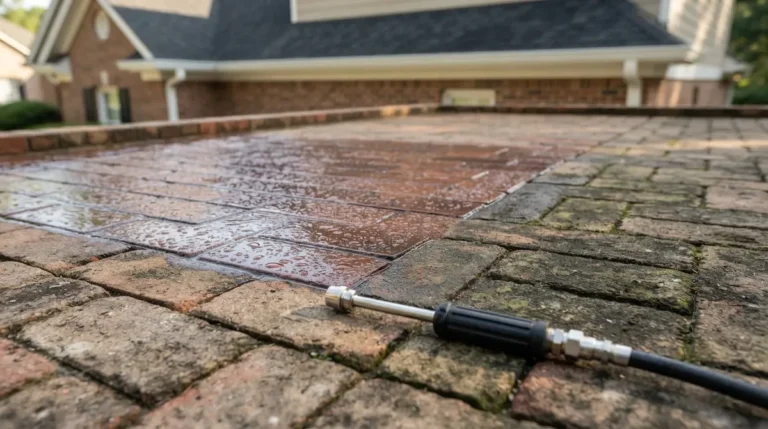
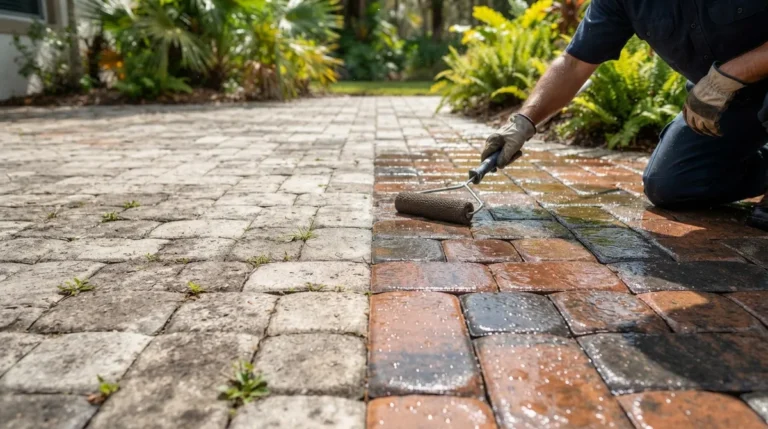
Your pool cage isn’t the only surface that takes a beating from Florida weather. The concrete or paver deck underneath collects algae, mildew, and mineral stains just as fast. Combining your pool cage cleaning with patio cleaning how pressure washing transforms your outdoor space gives you a complete refresh in one visit.
Here’s a simple sequence many homeowners follow when tackling their whole pool area:
- Clear furniture, toys, and loose items from the deck
- Soft wash the pool cage screens and framing
- Pressure wash the concrete or paver surface
- Rinse thoroughly to remove all cleaning residue
- Allow everything to air dry before replacing furniture
Doing it all together saves time and gives you a uniformly clean, inviting outdoor space.
5. Know the Warning Signs You’ve Waited Too Long
Sometimes it’s hard to tell when your pool cage has crossed from “needs a little attention” to “seriously overdue.” Watch for these red flags:
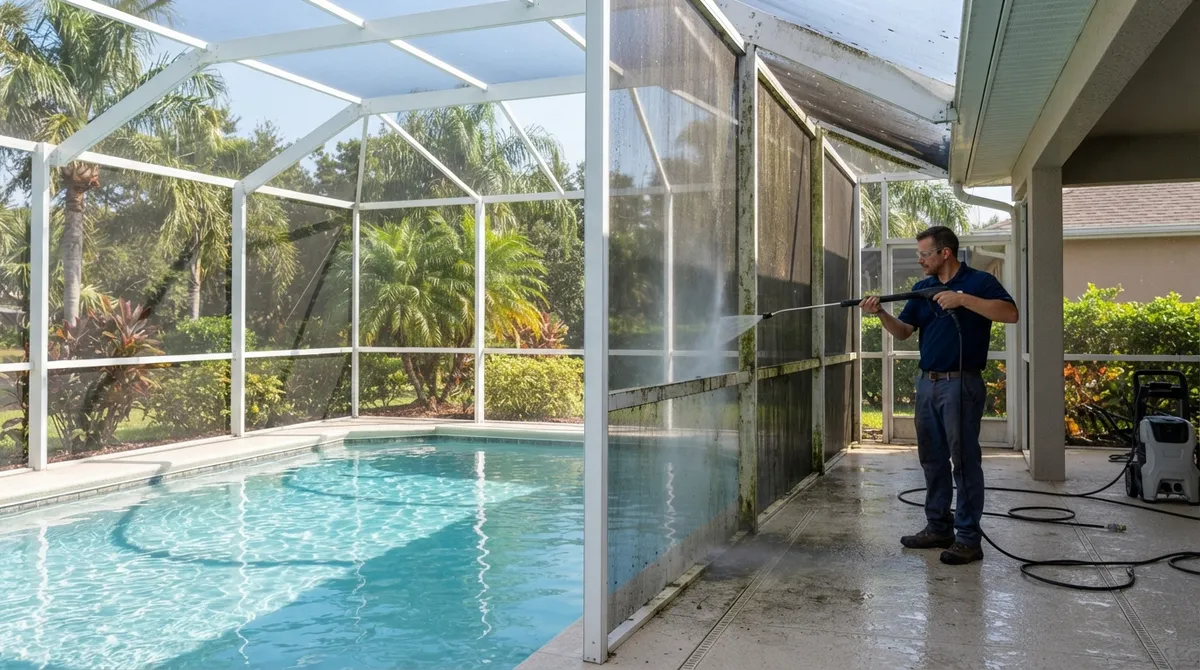
- Dark streaks running down aluminum posts
- Green or black film coating the screen mesh
- A musty smell lingering near the pool area
- Visible rust spots on hardware or fasteners
- HOA notices about exterior appearance
If you’re seeing any of these signs, it might be time to call in reinforcements. For a broader look at when professional help makes sense, take a look at this article on 7 signs you need a pressure washing company near me today.
6. Consider How HOA Rules Affect Your Cleaning Schedule
Many Apollo Beach communities have homeowners associations with specific guidelines about exterior maintenance, including pool enclosures. Falling behind on cleaning can sometimes mean warning letters or even fines, which nobody wants to deal with.
Setting a regular maintenance schedule takes the guesswork out of compliance. Most homeowners find that scheduling professional cleanings twice a year keeps their property looking sharp and their HOA happy. It’s a small investment that saves you stress and potential penalties down the line.
Building a Maintenance Routine That Works
Consider pairing your pool cage cleaning with other seasonal upkeep tasks like house washing and gutter cleaning. Bundling services together often means fewer scheduling headaches and a home that looks consistently well-maintained.
7. Hire Professionals Who Understand Coastal Florida Conditions
Not every pressure washing company understands the unique challenges of salt air, high humidity, and delicate screen material. That’s where local expertise really pays off. Buckhorn Power Wash has spent years learning exactly how Hillsborough County’s coastal climate affects pool enclosures, and we tailor our approach accordingly.
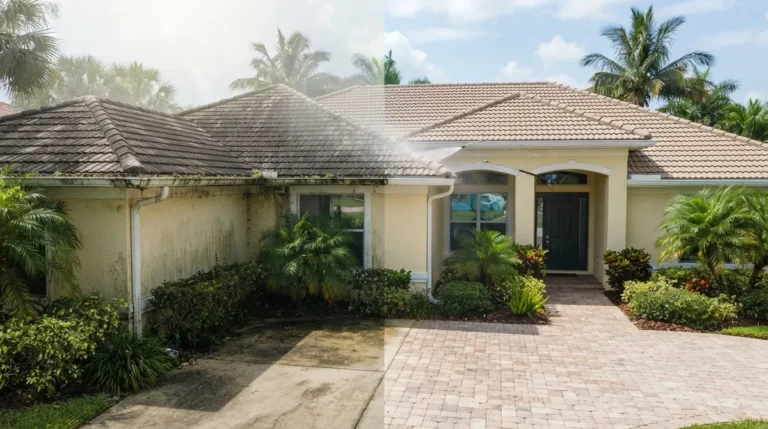
Our team uses gentle soft washing techniques specifically designed to protect screens while eliminating mold, algae, and grime. We also handle roof cleaning and driveway and concrete cleaning, so your entire property can get the attention it deserves in one convenient visit. Curious what past customers think? You can read real feedback on Yelp or check out our page on Facebook for photos and updates.
DIY vs. Professional Pool Cage Cleaning: A Quick Comparison
| Factor | DIY Cleaning | Professional Service |
|---|---|---|
| Time Required | Half a day or more | 1-2 hours |
| Risk of Screen Damage | Moderate to High | Very Low |
| Equipment Needed | Ladder, hose, brushes, chemicals | Provided by technician |
| Results Consistency | Varies by skill level | Consistently thorough |
| Safety Concerns | Ladder falls, chemical exposure | Minimal, handled by trained pros |
For a deeper dive into this topic, check out our article on DIY vs. professional exterior cleaning which wins. Spoiler alert: most homeowners find the time savings and safety benefits well worth it.
How Eco-Conscious Homeowners Can Feel Good About Their Choice
If you’re someone who cares about the environment, you’ll be glad to know that modern soft washing techniques use significantly less water than traditional high-pressure methods. Combined with biodegradable cleaning solutions, this approach gets your pool cage sparkling clean without harming surrounding plants, pets, or waterways nearby.
This matters even more in a coastal community like Apollo Beach, where runoff can eventually make its way toward Tampa Bay. Choosing a service that prioritizes low-impact cleaning methods means you’re protecting both your home and the local ecosystem.
Ready for a Cleaner, Safer Pool Area?
Your pool cage should be a place for relaxation, not a source of stress or embarrassment. With the right approach, Apollo Beach homeowners can keep their screens, framing, and pool deck looking fantastic year-round without risking damage or spending every weekend scrubbing.
If you’re ready to see the difference professional care can make, request your free quote today and let us show you what a properly maintained pool enclosure should look like. You can also call us directly to ask questions or schedule your service. And if you’d like to see what your neighbors are saying, visit us on Google — Buckhorn Power Wash for reviews and photos from real customers right here in Hillsborough County.
FAQs
Q: How often should I schedule pool cage cleaning in Apollo Beach FL?
A: Most homeowners in our area do great with professional cleaning every 6 to 12 months. Coastal salt air and humidity can speed up grime buildup, so twice a year keeps things looking their best without overdoing it.
Q: Is it safe to pressure wash my pool screen enclosure myself?
A: We’d recommend caution here! Standard high-pressure washing can easily tear delicate screen mesh. Soft washing is a much gentler, safer option, and it’s honestly worth leaving to the pros to avoid costly repairs.
Q: Will cleaning my pool cage help with HOA compliance?
A: Absolutely, yes! Many HOA communities in Hillsborough County have appearance standards that include pool enclosures. Regular cleaning keeps you in good standing and helps you avoid those pesky violation notices.
Q: What’s the difference between soft washing and regular pressure washing for pool cages?
A: Soft washing uses lower pressure paired with specialized cleaning solutions, which is much safer for fragile screens. Regular pressure washing is better suited for tougher surfaces like concrete or brick, not delicate mesh.
Q: Can pool cage cleaning improve my home’s resale value?
A: It sure can! A clean, well-maintained pool enclosure boosts curb appeal and shows potential buyers you’ve taken good care of your property. It’s a small investment that pays off nicely down the road.