Key Takeaways
-
Use 3,000 to 4,000 PSI for standard concrete driveways to effectively remove stains without damaging the surface; pressures below 2,000 PSI waste time and water while pressures above 4,000 PSI risk etching and pitting the concrete.
-
Always test a small hidden area first and start with the lowest effective PSI setting around 2,000, then increase gradually while keeping the wand moving to avoid permanent surface damage like zebra striping.
-
Florida's humid climate requires concrete cleaning once or twice yearly to prevent algae and mold growth; decorative or stamped concrete should use soft washing with lower pressure and eco-friendly solutions instead of high-pressure methods.
-
Hire a professional for large areas, deep oil/rust stains, older crumbling concrete, or if you lack proper equipment, as DIY mistakes like holding the nozzle too close or using wrong nozzle tips can cause costly damage.
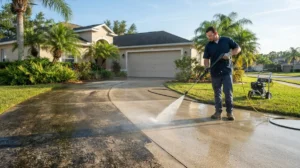
Ever looked at your driveway and wondered why it still looks dingy after a DIY pressure wash? Chances are, the problem wasn’t elbow grease. It was PSI. Picking the right pressure washer PSI for concrete makes all the difference between a spotless driveway and a chipped, streaky mess. If you live in Hillsborough County, where Florida humidity feeds mold and algae year-round, getting this right matters even more.
At Buckhorn Power Wash, we clean driveways, walkways, and pool decks across Tampa, Brandon, Valrico, Riverview, and Lithia every week. We’ve seen what happens when homeowners grab a rental unit and guess at the settings. In this guide, we’ll walk you through exactly what PSI works for different concrete jobs, so you can either do it safely yourself or know what to expect when you hire a pro.
Why PSI Matters So Much for Concrete Cleaning
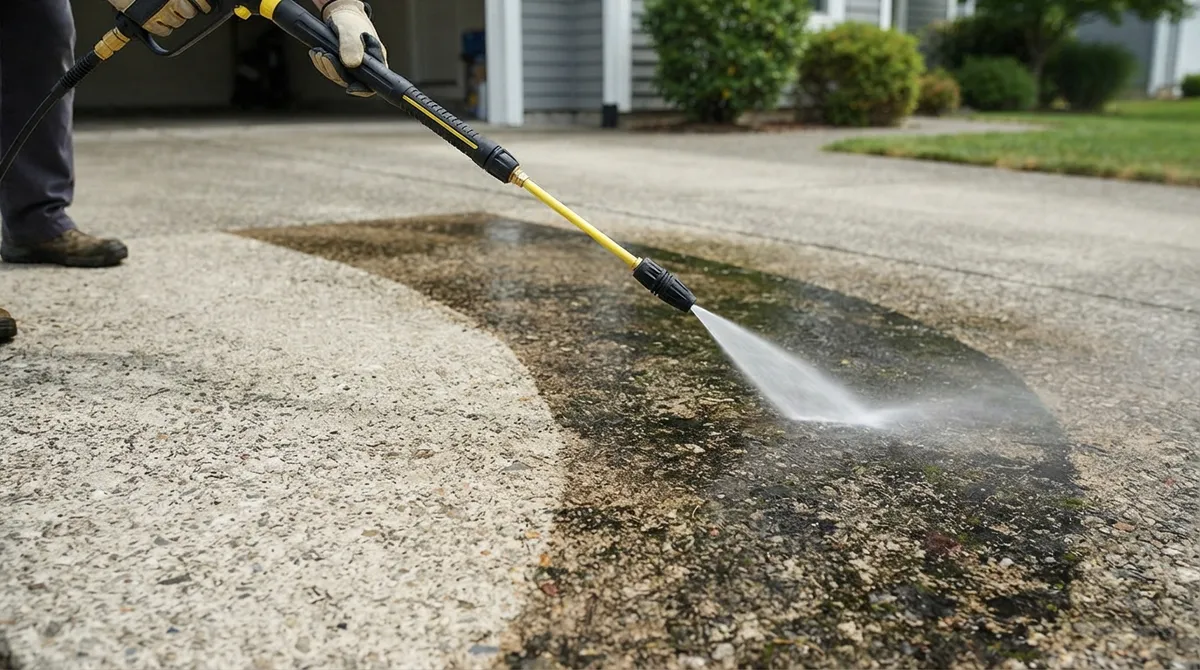
PSI stands for pounds per square inch. It measures how much force the water hits your surface with. Too little PSI, and stains stay put. Too much, and you can etch or pit your concrete permanently.
Concrete is tough, but it’s not invincible. Older driveways, decorative pavers, and stamped concrete can all react differently to high pressure. That’s why understanding the right range is so important before you start blasting away.
What Happens When PSI Is Too Low
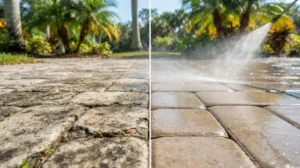
If your pressure washer PSI for concrete is too weak, you’ll waste time and water. Ground-in dirt, oil stains, and algae won’t budge. You’ll end up making multiple passes without real results.
- Stains and grime remain visible after cleaning
- You waste time going over the same spots repeatedly
- Mold and algae spores may survive and regrow quickly
- Water usage goes up without improving results
What Happens When PSI Is Too High
On the flip side, cranking the pressure too high can actually damage your concrete. This is one of the most common mistakes we see homeowners make.
- Etching or pitting on the surface
- Removal of the top protective layer, leaving concrete more porous
- Uneven cleaning patterns, sometimes called “zebra striping”
- Increased risk of injury from kickback or hose whip
The Ideal PSI Range for Concrete Surfaces
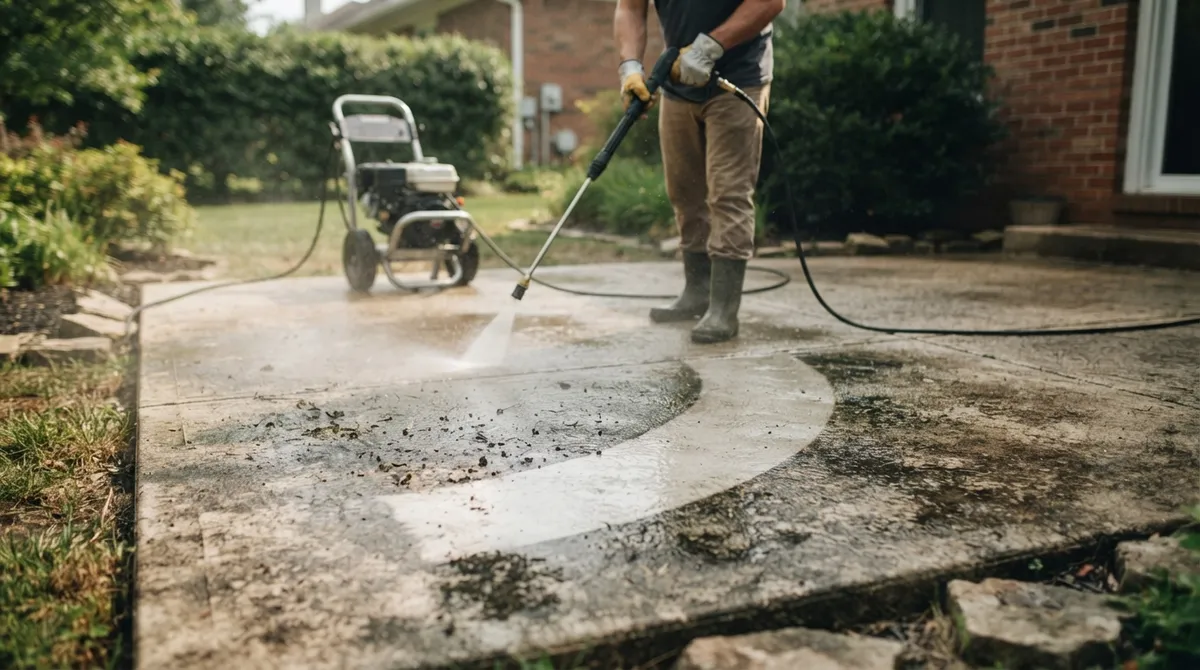
Most professionals agree that 3,000 to 4,000 PSI works well for standard concrete driveways and walkways. This range is strong enough to lift stains without damaging the surface. For lighter jobs like patios or pool decks, 2,000 to 3,000 PSI is often plenty.
Here’s a simple breakdown to help you understand what different PSI levels are actually good for:
| PSI Range | Best Use | Surface Type |
|---|---|---|
| 1,200 – 1,900 PSI | Light cleaning, soft wash applications | Siding, painted surfaces, screens |
| 2,000 – 2,900 PSI | Moderate cleaning | Patios, pool decks, wood fences |
| 3,000 – 4,000 PSI | Deep cleaning, stain removal | Concrete driveways, sidewalks, brick |
| 4,000+ PSI | Heavy-duty commercial use | Industrial concrete, rarely needed residentially |
If you’re unsure which category your project falls into, our driveway and concrete cleaning team can walk you through it during a free consultation.
7 Steps to Choosing the Right PSI for Your Concrete Project
Here’s a simple step-by-step process to help you pick the correct setting before you start any concrete cleaning job.
- Inspect the concrete’s age and condition. Older or crumbling concrete needs lower pressure to avoid further damage.
- Identify the type of stains. Oil, rust, and algae each respond differently to pressure and cleaning solutions.
- Start with the lowest effective setting. Begin around 2,000 PSI and increase gradually if needed.
- Test a small, hidden area first. This helps you avoid ruining a visible section of your driveway.
- Choose the right nozzle tip. A wider fan tip spreads pressure over a larger area, reducing damage risk.
- Keep the wand moving. Staying in one spot too long, even at moderate PSI, can cause etching.
- Rinse and inspect as you go. Check your results frequently instead of waiting until the entire area is done.
Signs You Might Need Professional Help
DIY pressure washing can work for small, simple jobs. But there are clear signs it’s time to call in the experts instead.
- Your driveway has deep, stubborn oil or rust stains
- You’re dealing with large square footage that would take hours to complete
- Your concrete is older, cracked, or already showing wear
- You don’t own or want to rent proper equipment
- You’re worried about safety or liability from DIY mistakes
If any of these sound familiar, it might be time to explore our professional concrete cleaning process instead of tackling it solo. Our team already knows the right pressure washer PSI for concrete based on your specific driveway, patio, or walkway.
Soft Washing vs. Pressure Washing for Concrete
Not every job calls for high PSI. Sometimes a gentler approach works better, especially for decorative or stamped concrete. Soft washing uses lower pressure combined with eco-friendly cleaning solutions to lift dirt and organic growth without scrubbing the surface.
We often explain this difference to homeowners who aren’t sure which service fits their needs. You can read more in our guide on soft wash versus pressure wash for Florida homes. The short version: soft washing protects delicate surfaces, while high-pressure washing tackles tough, durable ones like standard concrete.
When Soft Washing Makes Sense for Concrete
Some concrete surfaces benefit from a gentler touch, even though concrete is generally durable.
- Decorative or stamped concrete with sealant coatings
- Older concrete showing signs of wear or crumbling
- Areas near landscaping that could be affected by high-pressure runoff
- Pool decks with textured or coated finishes
Common Mistakes Homeowners Make with PSI Settings
We’ve cleaned hundreds of driveways across Hillsborough County, and certain mistakes come up again and again. Avoiding these can save you a lot of frustration and money.
- Using a gas-powered rental unit without understanding its true PSI output
- Holding the nozzle too close to the concrete surface
- Skipping the test spot and going straight to full-strength cleaning
- Using the wrong nozzle tip for the job
- Ignoring manufacturer warnings about pressure limits for sealed or coated concrete
For a deeper dive into avoidable errors, check out our article on mistakes to avoid when using a power washer on concrete. It pairs well with this guide if you want the full picture before starting your project.
Why Hillsborough County Homeowners Trust Professional Cleaning
Florida’s climate is tough on concrete. Humidity, rain, and heat create the perfect environment for algae and mold to thrive. Add in pollen, tree sap, and everyday dirt, and driveways in Tampa, Brandon, Valrico, and Riverview need more frequent attention than homes in drier climates.
Whether you’re maintaining HOA standards, protecting your home’s resale value, or simply want your weekends free, professional cleaning takes the guesswork out of PSI settings. Our technicians understand exactly how much pressure different concrete surfaces can handle, so you never have to worry about damage.
We’re proud to be a trusted name in the community. You can visit us on Google — Buckhorn Power Wash to see what your neighbors are saying about their results. We also stay active on Facebook and Yelp, where you can browse real reviews from local homeowners.
Protecting Your Investment Beyond the Driveway
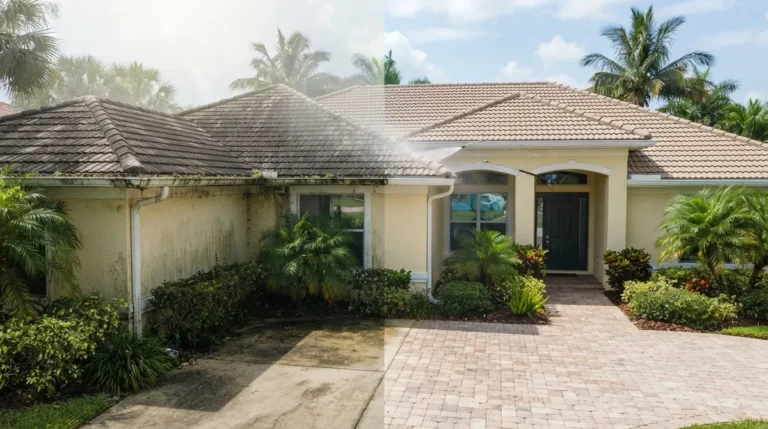
Concrete cleaning is just one piece of maintaining your home’s exterior. Many of our clients also schedule house washing and roof cleaning at the same time to keep their entire property looking fresh. Bundling services often makes scheduling easier and keeps your whole home looking consistent.
If you’re also dealing with clogged gutters after a rainy Florida season, our gutter cleaning service can help protect your foundation and landscaping from water damage. And if your HVAC system has been working overtime cooling your home during Florida summers, the team at Marks Air can help keep it running efficiently.
How to Get Started with Professional Concrete Cleaning
Getting a quote doesn’t have to involve waiting around for someone to show up at your house. Our online tool lets you answer a few quick questions and receive pricing straight to your inbox, no home visit required.
Ready to see your driveway looking brand new again? You can easily request your free quote today, or if you’d rather talk it through first, feel free to call us and we’ll answer any questions about pressure washer PSI for concrete or anything else related to your project.
Final Thoughts on Choosing the Right PSI
Getting your pressure washer PSI for concrete right isn’t complicated once you understand the basics. Start low, test small areas, and increase pressure only as needed. For most driveways, staying between 3,000 and 4,000 PSI gets great results without risking damage.
But if you’d rather skip the guesswork entirely, that’s exactly what we’re here for. Buckhorn Power Wash proudly serves homeowners throughout Hillsborough County with safe, effective, and affordable concrete cleaning. Your driveway deserves to look its best, and we’re ready to help make that happen.
FAQs
Q: What is the best PSI for cleaning a concrete driveway?
A: Most concrete driveways clean up beautifully between 3,000 and 4,000 PSI. That range is strong enough to lift tough stains without risking damage to the surface. If your driveway is older or has decorative coatings, it’s smart to start lower and test a small area first.
Q: Can too much PSI damage concrete?
A: Yes, absolutely! Using excessive pressure can etch, pit, or strip the top layer off your concrete, making it more porous over time. That’s why we always recommend starting low and increasing gradually rather than blasting away at full power right off the bat.
Q: Is soft washing better than pressure washing for concrete?
A: It depends on your surface! Standard concrete driveways usually handle higher pressure just fine, but decorative or sealed concrete often benefits from a gentler soft wash approach. Our team can help you figure out which method fits your specific situation.
Q: How often should I pressure wash my concrete driveway?
A: In Hillsborough County’s humid climate, once or twice a year usually keeps algae and mold from taking over. Homes near lots of trees or shade might need cleaning a bit more often to stay looking their best.
Q: Should I hire a professional or rent a pressure washer myself?
A: If you’re dealing with small, light stains, a rental might work fine for a quick weekend project. But for larger driveways, stubborn stains, or older concrete, hiring a pro saves you time and protects your investment from accidental damage.