Key Takeaways
-
For most residential concrete, the ideal PSI range is 3,000-4,000 PSI, but this varies significantly by surface type: stamped concrete needs 1,500-2,500 PSI, sealed floors need 1,200-2,000 PSI, and pool decks need 2,000-3,000 PSI to avoid permanent damage.
-
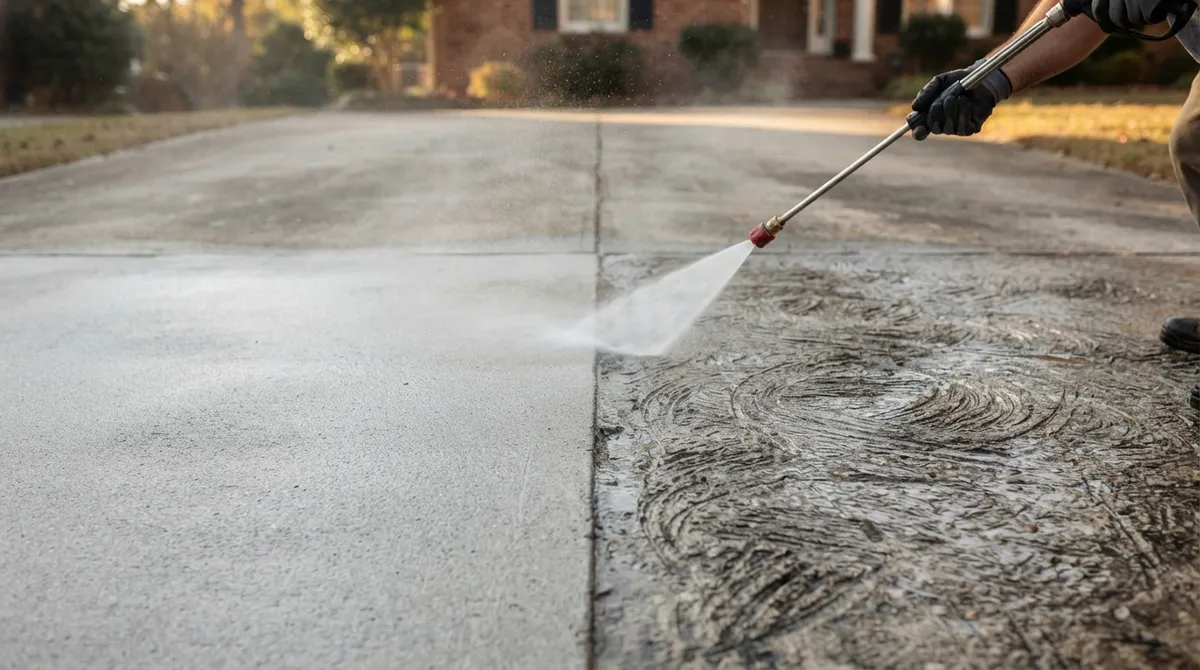
Higher PSI doesn't always clean better; excessive pressure can carve permanent grooves into concrete, especially older or soft surfaces, making dirt trap worse and requiring costly repairs.
-
Nozzle angle is critical: a 0-degree pinpoint nozzle can gouge concrete in seconds, while 15-25 degree fan tips distribute pressure evenly and should be used for most residential driveways.
-
Pre-treating with degreaser or cleaning solution before pressure washing eliminates the need for dangerously high PSI to remove oil stains, rust, or algae, reducing surface damage risk.
-
Distance from the concrete surface matters as much as PSI: holding the wand 6 inches away at 3,500 PSI produces similar results to 2 feet away at 5,000 PSI, so maintaining consistent distance prevents uneven etching.
-
Consumer-grade pressure washers have inconsistent PSI output over time, while professional calibrated equipment delivers predictable pressure and reduces risk of streaking, pitting, or color fading on your driveway.
Ever grabbed a pressure washer, cranked it up, and blasted your driveway like you were trying to strip paint off a battleship? You’re not alone. Many Hillsborough County homeowners guess at the right PSI needed to clean concrete, and that guess often ends in etched surfaces, chipped edges, or streaky results that look worse than the original stains. The good news? Getting concrete clean doesn’t require guesswork once you understand the mistakes to avoid.
Whether you’re prepping your driveway for a summer barbecue or trying to keep your HOA happy, knowing the right pressure settings matters. Too little PSI leaves grime behind. Too much can crack, pit, or discolor your concrete permanently. This guide walks through the eight biggest PSI mistakes homeowners make, so you can avoid costly repairs and get a driveway that actually looks brand new.
Understanding PSI Needed To Clean Concrete
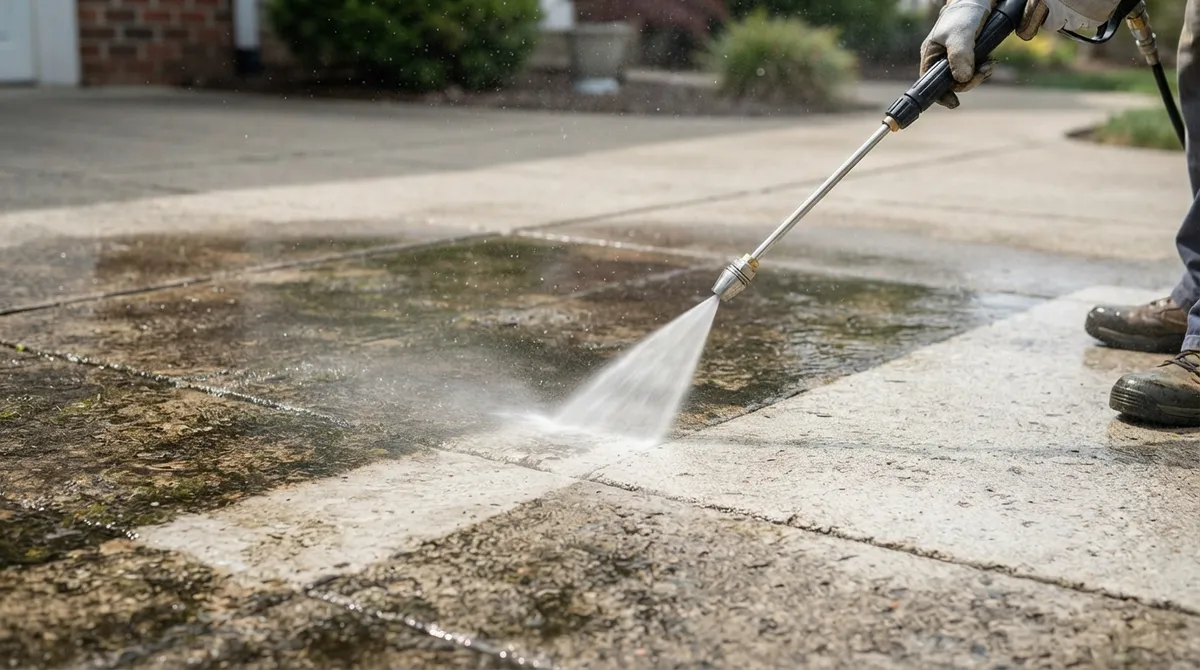
PSI stands for pounds per square inch. It measures how much force the water leaves the nozzle with. For most residential concrete, the sweet spot sits between 3,000 and 4,000 PSI. That range is strong enough to lift dirt, algae, and oil stains without damaging the surface underneath.
Here’s the tricky part: PSI alone doesn’t tell the whole story. Flow rate, nozzle angle, and even the age of your concrete all play a role in how a wash behaves. That’s why so many DIYers end up frustrated after buying a machine online and following generic instructions that don’t match their driveway’s actual condition.
Why Concrete Type Changes The Equation
Not all concrete is created equal. Stamped concrete, exposed aggregate, and plain broom-finished slabs each respond differently to pressure.
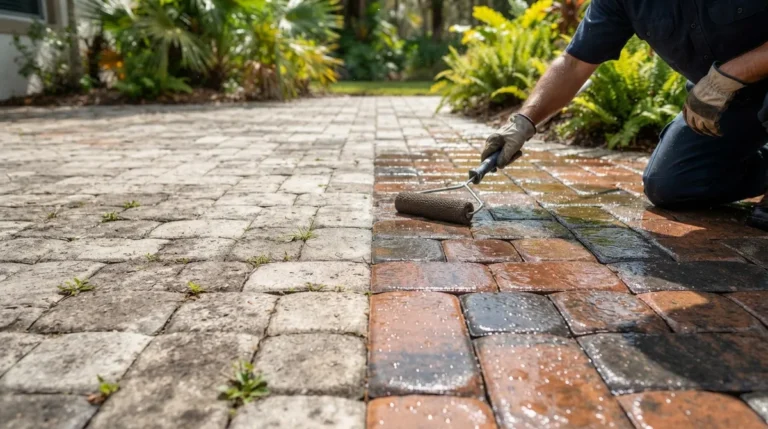
- Stamped concrete needs lower pressure to protect decorative patterns and color sealants.
- Exposed aggregate can typically handle higher PSI since the surface is naturally more textured.
- Older, weathered concrete may crumble under high pressure due to years of freeze-thaw wear (less common in Florida, but sun and humidity cause similar breakdown).
- New concrete, poured within the last year, should generally be cleaned at lower settings to avoid disturbing the curing surface.
8 PSI Mistakes That Wreck Concrete Cleaning Jobs
Let’s get into the mistakes. If you’ve made any of these, don’t worry. We’ve seen it all, and there’s always a fix.
1. Assuming Higher PSI Always Means Cleaner Results
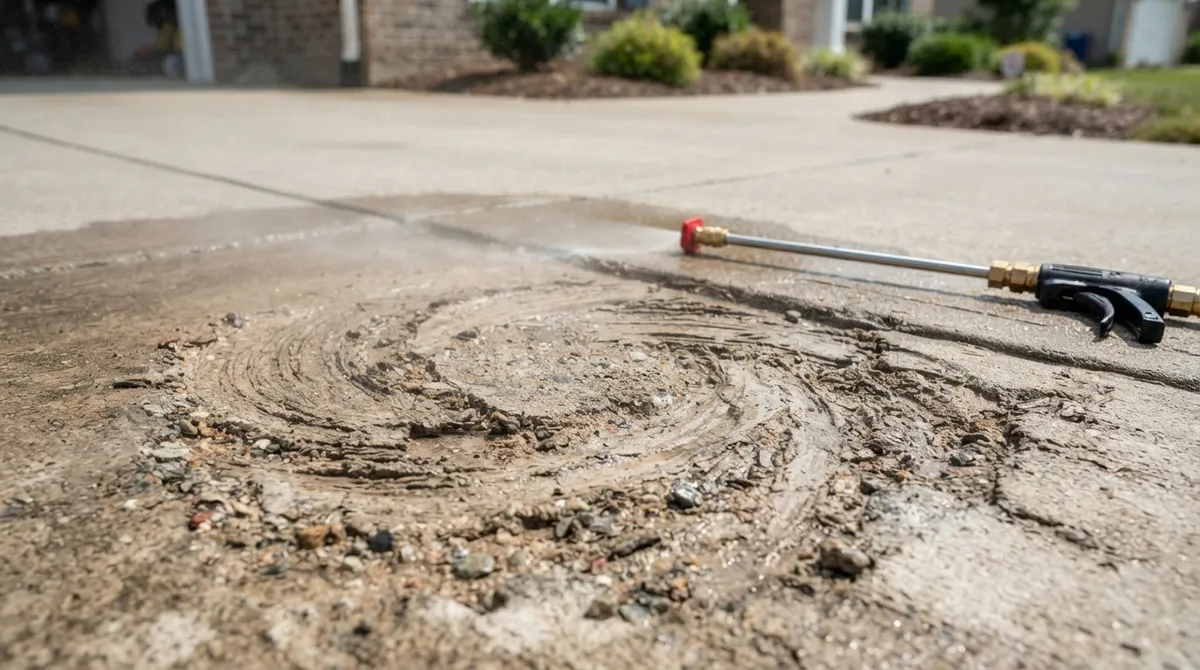
This is the number one myth in DIY pressure washing. Homeowners think that if 3,000 PSI cleans well, 4,000 must clean better. In reality, going too high can carve grooves into soft or aging concrete, creating permanent lines that trap even more dirt over time.
2. Using The Wrong Nozzle Tip
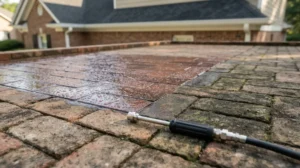
A 0-degree nozzle creates a pinpoint blast that can gouge concrete in seconds. Most professionals use a 15 or 25-degree tip for driveways because it spreads pressure evenly. Skipping this detail is one of the fastest ways to damage a slab, even at moderate PSI.
3. Holding The Wand Too Close
Distance matters just as much as pressure. Holding the nozzle six inches from concrete at 3,500 PSI can feel like using 5,000 PSI from two feet away. Keeping consistent distance helps avoid uneven etching and swirl marks.
4. Ignoring Flow Rate (GPM)
PSI gets all the attention, but gallons per minute (GPM) matters too. Higher GPM helps rinse away loosened dirt and detergent faster, which reduces the need to crank up pressure just to compensate. A machine with balanced PSI and GPM often outperforms one with sky-high pressure alone.
5. Skipping A Pre-Treatment Step
Many homeowners rely on pressure alone to remove oil stains, rust, or algae. Without a proper degreaser or cleaning solution first, you’ll need dangerously high PSI to strip away stubborn grime. This is exactly the kind of shortcut that leads to over-pressuring and surface damage.
6. Not Adjusting For Sealed Or Painted Concrete
If your driveway or patio has a sealant or epoxy coating, standard PSI settings can strip it right off. Sealed surfaces usually need a gentler soft wash approach instead of aggressive blasting. Check out our guide on soft wash vs pressure wash which is best for your Florida home to understand which method fits your surface.
7. Overlapping Passes Incorrectly
Random, overlapping strokes at high PSI create uneven cleaning patterns known as “tiger striping.” This mistake is especially common among first-time DIYers who don’t move the wand in slow, consistent, overlapping lines.
8. Skipping Professional Equipment Calibration
Consumer-grade pressure washers often have inconsistent PSI output, especially after months of use. Professional-grade equipment is regularly calibrated and maintained, delivering a more predictable, safer clean every time. This is one of the biggest reasons professional pressure washing services are worth it for busy homeowners who don’t want to risk damaging their property.
Recommended PSI Ranges By Surface Type
Here’s a quick reference table to help you understand what different surfaces around your Hillsborough County home typically need.
| Surface Type | Recommended PSI | Notes |
|---|---|---|
| Standard Concrete Driveway | 3,000 – 4,000 | Use a fan tip, avoid pinpoint nozzles |
| Stamped or Decorative Concrete | 1,500 – 2,500 | Protects color sealants and patterns |
| Pool Deck Concrete | 2,000 – 3,000 | Lower pressure prevents pitting near pool edges |
| Garage Floors (sealed) | 1,200 – 2,000 | Soft wash recommended for coated floors |
| Sidewalks and Walkways | 2,500 – 3,500 | Moderate pressure removes algae without cracking |
Steps To Safely Test PSI On Your Concrete
If you’re determined to try this yourself, follow these steps to reduce risk.
- Start with the lowest PSI setting available on your machine.
- Test a small, hidden area of concrete first, like near a garden bed edge.
- Watch closely for any pitting, discoloration, or surface roughening.
- Gradually increase pressure only if the surface shows no damage.
- Keep the wand moving constantly to avoid concentrated pressure in one spot.
- Rinse thoroughly after each pass to check real results before continuing.
Honestly, this process takes patience most busy homeowners simply don’t have time for. That’s exactly why so many people in Valrico, Brandon, and Riverview choose to request a free quote instead of spending their Saturday testing pressure settings.
Signs You’re Using The Wrong PSI
Not sure if your pressure washing efforts are working or backfiring? Watch for these warning signs.
- Visible lines or streaks that weren’t there before washing.
- Small chips or pits appearing near cracks or edges.
- Color fading unevenly across the driveway surface.
- Water pooling in new grooves that weren’t part of the original slab.
- Stains that seem to spread rather than lift away.
If you notice any of these, stop immediately and consult a professional. Our driveway and concrete cleaning service uses calibrated equipment designed to avoid these exact problems.
Why Professional Equipment Makes A Real Difference
Homeowners in HOA-governed communities know the pressure of keeping their property looking sharp. A botched DIY pressure wash can leave permanent marks that actually make your home look worse and put you at risk of a fine. Professionals bring commercial-grade machines that deliver consistent, controlled PSI paired with the right detergents for each surface.
Buckhorn Power Wash technicians understand exactly which pressure settings work best for Florida’s unique concrete conditions, from humidity-driven algae growth to sun-baked driveways. We combine years of hands-on experience with careful surface assessment before ever pulling the trigger on a wand.
Eco-Friendly Considerations For Concrete Cleaning
If you’re an eco-conscious homeowner, you’ll be glad to know that proper PSI control also reduces water waste. Using excessive pressure often means more passes, more runoff, and more wasted water overall. A calibrated, professional approach uses less water while still achieving spotless results, which is better for your yard, your neighbors, and local waterways.
DIY Vs Professional Concrete Cleaning: A Quick Comparison
| Factor | DIY Approach | Professional Service |
|---|---|---|
| Equipment Consistency | Varies, often inconsistent | Calibrated, commercial-grade |
| Risk of Surface Damage | Higher | Low, due to trained technicians |
| Time Investment | Several hours | Minimal, scheduled around your day |
| Water Usage | Often higher | Optimized and efficient |
| Long-Term Results | Inconsistent | Consistent, longer-lasting clean |
For a deeper breakdown, check out our article on DIY vs professional exterior cleaning: which wins. It covers more than just concrete and gives a full picture of where DIY makes sense and where it doesn’t.
How Buckhorn Power Wash Approaches Every Concrete Job
We don’t believe in one-size-fits-all pressure settings. Every driveway, patio, and walkway gets assessed individually before we start. Our process typically includes:
- Inspecting the concrete for cracks, sealant, or decorative finishes.
- Applying an eco-friendly pre-treatment to loosen stains and organic growth.
- Selecting the correct PSI and nozzle combination for that specific surface.
- Washing in controlled, overlapping passes to avoid streaking.
- Rinsing thoroughly to remove all cleaning residue.
- Doing a final walkthrough to confirm even, spotless results.
This methodical approach is part of why so many families across Hillsborough County trust us for their exterior cleaning services, from house washing to gutter cleaning and everything in between.
Protecting Your Investment Beyond The Driveway
Concrete cleaning is just one piece of maintaining your home’s curb appeal. If you’re already scheduling a driveway wash, it’s worth considering a full exterior refresh. Many homeowners bundle services like house washing and roof cleaning together to save time and keep their whole property looking consistent.
Affluent homeowners in particular tend to view pressure washing as an investment protection strategy rather than just a cosmetic chore. Clean concrete resists staining longer, and consistent maintenance can actually extend the life of your driveway by preventing mold and algae from breaking down the surface over time, according to research from the U.S. Environmental Protection Agency on surface degradation from biological growth.
What To Ask Before Hiring A Pressure Washing Company
Before you hire anyone to clean your concrete, ask these important questions:
- What PSI range do you typically use for residential driveways?
- Do you adjust settings for sealed, stamped, or decorative concrete?
- Are your technicians trained and insured?
- Do you use eco-friendly cleaning solutions?
- Can you provide before-and-after examples of previous work?
You can browse real examples of our completed jobs in our project gallery, and see what past customers have said by checking our reviews on Yelp or following us on Facebook.
While you’re getting your exterior in shape, it’s also worth thinking about the rest of your home maintenance checklist. If your family has an appointment coming up, scheduling with a trusted local provider like Segovia Orthodontics is another great way to keep your household running smoothly.
Final Thoughts On PSI And Concrete Cleaning
Finding the right PSI needed to clean concrete isn’t about guessing or cranking your machine to the max. It’s about understanding your surface, using the right tools, and applying pressure carefully and consistently. The eight mistakes above are the most common reasons DIY concrete cleaning goes wrong, and avoiding them can save you from costly repairs or premature resealing.
If you’d rather skip the trial and error altogether, our team at Buckhorn Power Wash is ready to help. We proudly serve homeowners throughout Tampa, Brandon, Valrico, Riverview, Lithia, and the surrounding Hillsborough County area. You can visit us on Google — Buckhorn Power Wash to see what your neighbors are saying about our work.
Ready to get your driveway looking spotless without lifting a finger? Request Your Free Quote today, or simply call us to talk with a friendly member of our team.
FAQs
Q: What PSI is needed to clean concrete driveways safely?
A: Most concrete driveways clean up beautifully between 3,000 and 4,000 PSI. That said, sealed or stamped concrete usually needs much less, closer to 1,500 to 2,500 PSI, so you don’t strip away the finish. When in doubt, always start low and test a small area first!
Q: Can too much PSI damage concrete?
A: Absolutely, and it happens more often than you’d think. High PSI combined with a narrow nozzle or holding the wand too close can etch grooves right into the surface. That’s why we always recommend a gentle test patch before going full blast.
Q: Is soft washing better than pressure washing for concrete?
A: It depends on the surface! Soft washing works great for sealed or decorative concrete, while standard pressure washing handles plain driveways just fine. Our team can help you figure out which method fits your specific driveway best.
Q: How often should I pressure wash my concrete driveway?
A: Most Hillsborough County homeowners see great results with a cleaning once or twice a year, especially given our humid climate that encourages algae and mold growth. Regular cleaning also helps your driveway last longer and look fantastic for every backyard get-together.
Q: Should I hire a professional or rent a pressure washer myself?
A: If you want guaranteed results without the risk of damaging your driveway, hiring a pro is the way to go. We bring calibrated equipment, eco-friendly solutions, and years of hands-on experience, so you get a spotless driveway without spending your weekend testing PSI settings.