Key Takeaways
-
Use 3,000 to 3,500 PSI for residential concrete patios; higher pressure risks etching or gouging the surface, especially on older concrete.
-
Pre-treat tough stains with cleaning solution for 10-15 minutes before pressure washing, then wash from top to bottom with a wide fan nozzle held 12 inches away.
-
Florida's humidity creates ideal conditions for mold, algae, and mildew that permanently damage concrete over time, requiring regular cleaning at least once or twice yearly.
-
Professional pressure washing costs more upfront but saves 3-5 hours, eliminates damage risk, and delivers streak-free results that last longer than DIY attempts.
-
Avoid common mistakes like holding the nozzle too close, using wrong chemicals, washing in direct sunlight, and skipping the sealing step after cleaning.
-
Modern eco-friendly pressure washing uses biodegradable detergents and water-efficient techniques that protect landscaping and local waterways while achieving deep cleaning results.
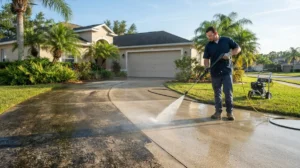
Your concrete patio takes a beating all year long in Hillsborough County. Between the Florida humidity, pollen, mildew, and summer storms, it’s no wonder your once-bright patio looks dull and dingy. If you’ve been searching for the right pressure washer for concrete patio cleaning, you’re in the perfect spot. This guide breaks down everything you need to know, from picking the right approach to knowing when it’s time to call in the pros.
Whether you’re hosting a backyard barbecue or just want your outdoor space to look its best, a clean patio makes a huge difference. Let’s walk through the smartest ways to get your concrete patio sparkling again, without wasting your weekend or damaging your surface.
Why Your Concrete Patio Needs Regular Cleaning
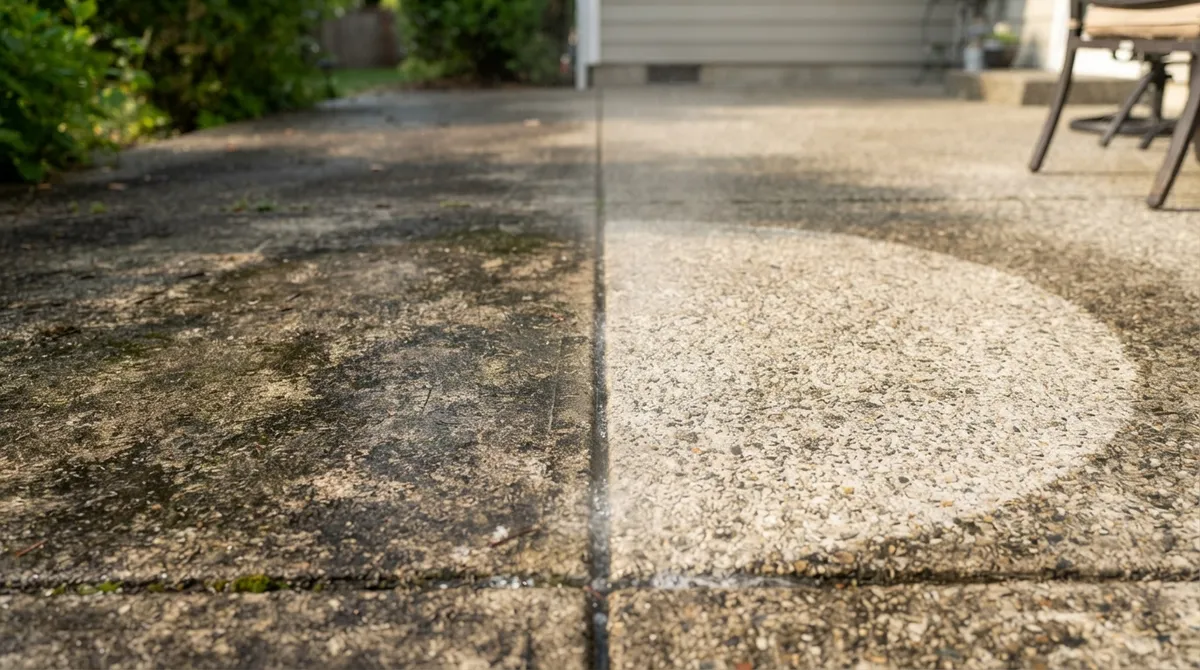
Concrete is tough, but it’s not invincible. Florida’s warm, wet climate creates the perfect breeding ground for algae, mold, and mildew. Left untreated, these organisms eat into the surface and cause permanent stains and even cracking over time.
Here are the main reasons your patio needs consistent attention:
- Mold and algae growth thrive in humid, shaded areas
- Pollen and organic debris build up between storms
- Oil stains and rust spots from patio furniture
- Green or black streaks that make your patio look neglected
- Slippery surfaces that create safety hazards for family and guests
Regular cleaning protects your investment and keeps your outdoor living space safe and beautiful. If you want to learn more about how professional cleaning transforms outdoor spaces, check out this guide on patio cleaning and how pressure washing transforms your outdoor space.
4 Key Tips for Using a Pressure Washer on Your Concrete Patio
If you’re considering tackling this job yourself, or just want to understand what a professional does, these four tips will help you get the best results.
1. Choose the Right PSI Setting
Concrete can handle higher pressure than siding or roofing, but going too high can etch or damage the surface. Most residential patios do well with settings between 3,000 and 3,500 PSI. Too much pressure can carve grooves into softer or older concrete.
Understanding the right pressure setting is one of the trickiest parts of DIY cleaning. For a deeper look at getting this balance right, this article on power washer PSI for concrete: too low vs. too high breaks it down clearly.
2. Pre-Treat Tough Stains Before Washing
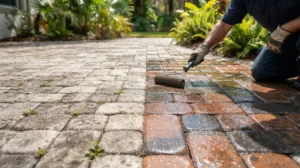
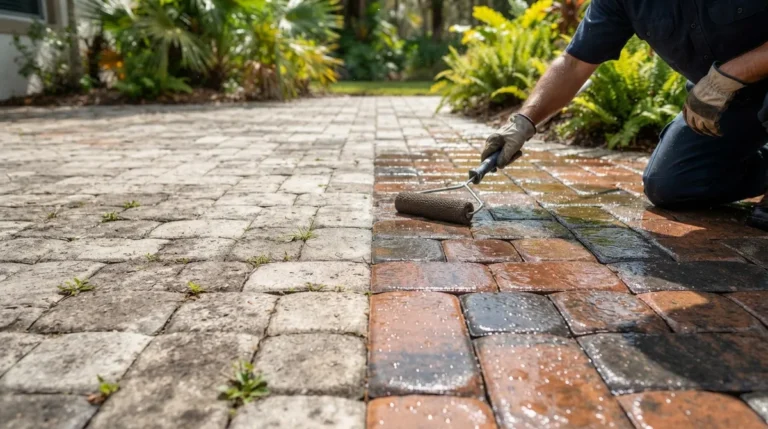
Oil stains, rust marks, and heavy algae buildup often need a pre-treatment before you even turn on the machine. A good cleaning solution loosens grime so the pressure washer can do its job more effectively.
Follow this simple sequence for the best results:
- Sweep away loose debris and leaves
- Apply an appropriate concrete cleaning solution to stained areas
- Let the solution sit for 10-15 minutes (never let it dry completely)
- Begin washing from the highest point of the patio downward
- Rinse thoroughly with clean water to remove all residue
3. Use the Correct Nozzle and Technique
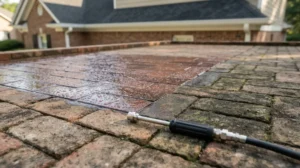
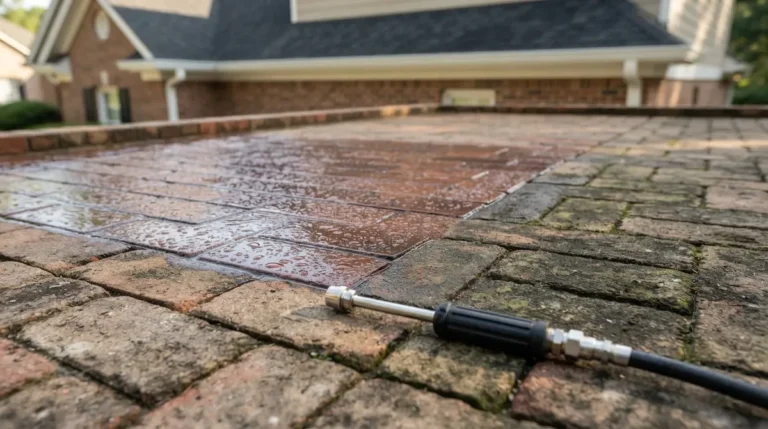
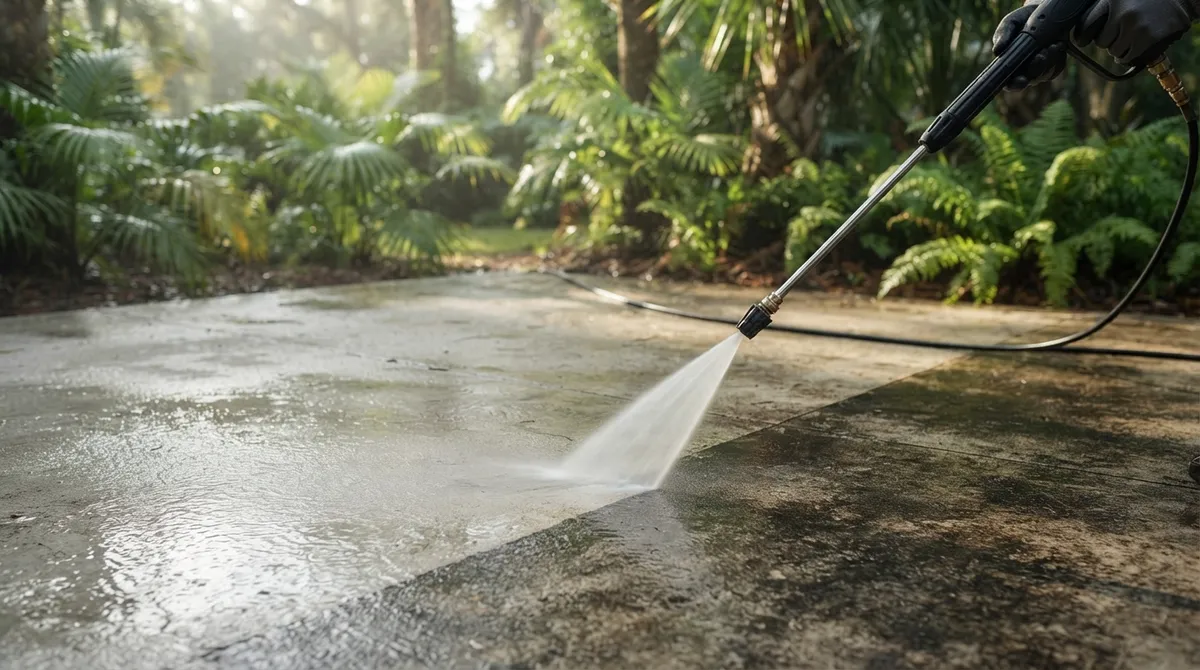
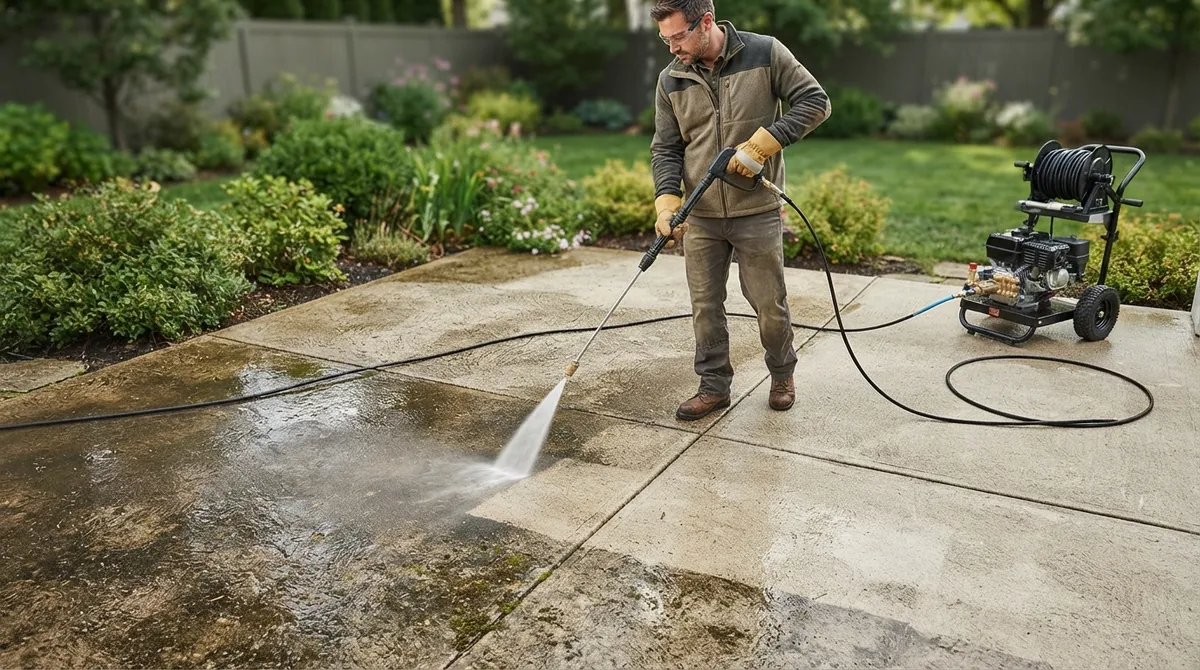
A narrow nozzle concentrates pressure and can gouge concrete if held too close. Wider fan nozzles spread pressure more evenly across the surface. Keep the wand moving in smooth, overlapping strokes, and hold it about 12 inches from the surface.
Uneven technique often leaves streaky patterns that are hard to fix later. This is one reason many homeowners eventually turn to professionals after a frustrating DIY attempt. You can read more about common pitfalls in this article on mistakes to avoid when using a power washer to clean concrete.
4. Know When to Call in the Professionals
DIY pressure washing sounds simple, but it comes with real risks. Rental equipment is often poorly maintained, and without experience, it’s easy to damage concrete, hurt yourself, or miss stubborn stains entirely.
Busy homeowners across Hillsborough County trust experienced teams because it saves time and guarantees a better outcome. If you’d rather spend your Saturday relaxing instead of wrestling with a rental machine, it might be time to request your free quote and let the professionals handle it.
DIY vs. Professional Pressure Washing: A Side-by-Side Look
Many homeowners wonder whether renting equipment saves money compared to hiring a pro. Here’s an honest breakdown to help you decide.
| Factor | DIY Pressure Washing | Professional Pressure Washing |
|---|---|---|
| Equipment Quality | Consumer-grade or rental, inconsistent PSI | Commercial-grade, calibrated for concrete |
| Time Required | 3-5 hours including setup and cleanup | Usually completed in under 2 hours |
| Risk of Damage | Higher, especially for beginners | Low, handled by trained technicians |
| Stain Removal | Limited on tough, set-in stains | Effective on oil, rust, and algae stains |
| Safety | Ladder falls, slips, chemical exposure | Trained safety protocols followed |
| Long-Term Results | Uneven, may need redoing sooner | Consistent, longer-lasting clean |
For a deeper comparison, this breakdown of DIY vs. professional exterior cleaning: which wins covers even more details worth considering before you decide.
Common Mistakes That Damage Concrete Patios
Even well-meaning DIYers make mistakes that shorten the life of their patio. Watch out for these common errors:
- Holding the nozzle too close, causing etching or gouging
- Using the wrong cleaning chemicals that discolor concrete
- Skipping the pre-rinse step, which spreads dirt instead of removing it
- Washing in direct sunlight, causing cleaning solutions to dry too fast
- Ignoring joints and expansion cracks where mold hides
- Not sealing the concrete afterward, leaving it vulnerable to new stains
Avoiding these mistakes takes practice and the right tools. That’s exactly why so many residents in Hillsborough County suburbs choose to leave this job to trained experts instead.
How Often Should You Pressure Wash a Concrete Patio?
Most homes in our area benefit from a patio cleaning at least once or twice a year. However, the ideal frequency depends on a few factors:
- Amount of shade and moisture around your patio
- Proximity to trees, sprinklers, or pools
- How often the space is used for entertaining
- Whether your HOA has specific cleanliness requirements
- Visible signs of algae, mildew, or staining
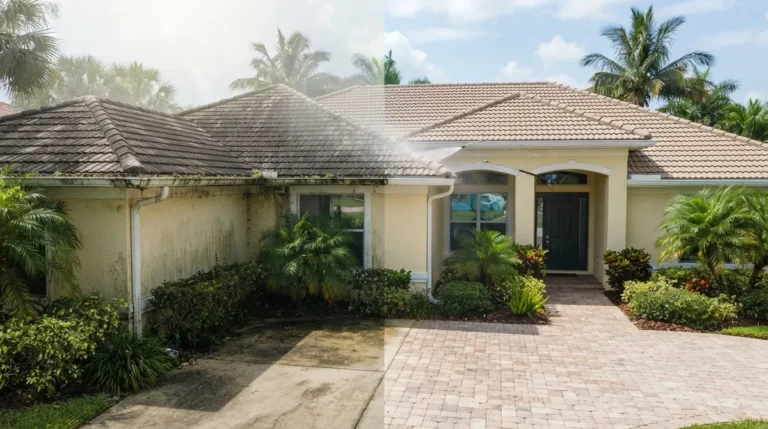
If you live in an HOA-governed community, staying ahead of buildup is especially important to avoid fines or violation notices. Many residents pair patio cleaning with other services like house washing or roof cleaning to keep the entire property looking sharp.
The Benefits of Professional Concrete Cleaning
Hiring a professional isn’t just about convenience. It’s about protecting your property value and getting results that actually last. Here’s what you gain:
- Commercial-grade equipment calibrated specifically for concrete
- Eco-friendly cleaning solutions safe for landscaping and pets
- Trained technicians who know how to spot problem areas
- Time saved for family, hobbies, or simply relaxing
- Consistent, streak-free results every time
Buckhorn Power Wash has helped countless homeowners across Hillsborough County restore their outdoor spaces safely and affordably. Our driveway and concrete cleaning services use professional-grade equipment paired with techniques that protect your surfaces while delivering a truly deep clean.
What to Expect From a Professional Service Visit
Not sure what happens when you book a professional cleaning? Here’s a simple walkthrough of the process:
- A quick assessment of your patio’s condition and stain types
- Pre-treatment of any oil, rust, or algae spots
- Careful pressure washing using the correct PSI and technique
- A thorough rinse to remove all cleaning residue
- A final walkthrough to confirm your satisfaction
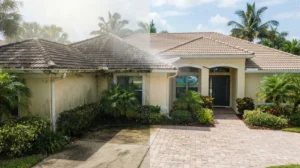
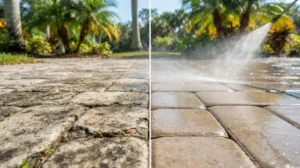
Many homeowners are surprised at how quickly the process goes and how much brighter their patio looks afterward. If you want to see real before-and-after transformations, take a look at our gallery for inspiration.
Eco-Friendly Considerations for Concrete Cleaning
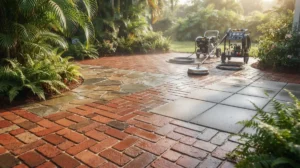
If you’re environmentally conscious, you’ll be glad to know that modern pressure washing doesn’t have to harm your landscaping or local waterways. Low-water techniques and biodegradable detergents make it possible to get a deep clean without the guilt.
Look for a service that prioritizes:
- Biodegradable, plant-safe cleaning solutions
- Water-efficient equipment that minimizes runoff
- Proper containment to protect nearby gardens and grass
- Techniques that avoid harsh chemicals whenever possible
This approach protects your family, pets, and the surrounding Hillsborough County ecosystem while still delivering fantastic results.
Choosing the Right Team for the Job
Not every pressure washing company treats concrete the same way. When comparing options, ask these important questions:
- Do they use commercial-grade equipment designed for concrete?
- Are they insured and experienced with residential properties?
- Do they offer eco-friendly cleaning solutions?
- Can they provide references or online reviews?
- Do they offer instant online quotes for convenience?
You can see how real customers feel about their experience by checking reviews on Yelp or following updates on Facebook. According to the Environmental Protection Agency, proper runoff management during exterior cleaning helps protect local waterways, which is another reason working with an experienced team matters.
If you want to see what neighbors in your area are saying, you can also visit us on Google — Buckhorn Power Wash to read real reviews from Hillsborough County homeowners just like you.
A Word About Home Maintenance Beyond the Patio
Keeping your outdoor spaces clean is just one part of a well-maintained home. Just like scheduling regular dental checkups keeps your smile healthy, routine exterior cleaning keeps your property in top shape. In fact, many local families trust Brockway Orthodontics for their family’s dental care the same way they trust professionals for their home’s exterior upkeep. Taking a proactive approach to maintenance, whether it’s your smile or your siding, always pays off in the long run.
Final Thoughts on Concrete Patio Cleaning
A clean concrete patio does more than look nice. It protects your investment, keeps your family safe, and helps you enjoy your outdoor space to the fullest. Whether you’re dealing with algae, oil stains, or years of built-up grime, the right approach makes all the difference.
If you’re ready to skip the hassle of renting equipment and dealing with trial and error, our team is here to help. We proudly serve homeowners throughout Tampa, Brandon, Valrico, Riverview, Lithia, and surrounding Hillsborough County communities. Ready to see your patio shine again? Request your free quote today or simply call us to schedule your service. Your weekends are better spent relaxing on a clean patio, not scrubbing one.
FAQs
Q: What PSI is best for a pressure washer for concrete patio cleaning?
A: Most residential patios do great with 3,000 to 3,500 PSI. Anything higher risks etching the surface, so it’s always better to stay on the safer side, especially with older concrete.
Q: Can I use a pressure washer for concrete patio cleaning myself, or should I hire a pro?
A: You can technically DIY it, but rental equipment is often inconsistent and mistakes happen easily. Hiring a pro saves you time, protects your concrete, and gives you a more polished result.
Q: How often should I pressure wash my concrete patio?
A: Most Hillsborough County homeowners benefit from cleaning once or twice a year. If you notice algae, mildew, or dark streaks sooner, it’s a good idea to schedule a cleaning right away.
Q: Will pressure washing damage my concrete patio?
A: When done correctly, pressure washing is completely safe for concrete. Problems only happen when the PSI is too high or the nozzle technique is off, which is why many homeowners trust trained professionals.
Q: Is professional pressure washing eco-friendly?
A: Yes! Many professional services, including ours, use biodegradable cleaning solutions and water-efficient techniques that protect your yard, pets, and the environment while still delivering fantastic results.