Key Takeaways
-
Always clean pavers before sealing because sealant cannot bond properly over dirt, algae, or old residue—sealing dirty pavers traps mess underneath and drastically reduces the seal coat's lifespan.
-
Florida's heat, humidity, and rain cause pavers to absorb moisture like sponges, leading to fading, algae growth, sand loss, and weed emergence—sealing acts as protective sunscreen to prevent these issues.
-
Professional cleaning uses either pressure washing for tough stains or soft washing for delicate surfaces, and choosing the wrong method can damage pavers—trained technicians assess your specific surface to avoid costly DIY mistakes.
-
Resealing is needed every 2-4 years, and warning signs include water no longer beading up, visible discoloration, missing sand between joints, slippery surfaces, and faded color compared to original installation.
-
Hiring professionals saves time on weekends while delivering faster, more even results than rented equipment, plus it protects your patio investment by preventing expensive repairs like replacing sand joints or dealing with shifted pavers.
-
Eco-friendly cleaning using biodegradable agents and soft washing reduces water usage and prevents harsh chemicals from harming local waterways—an important consideration for environmentally conscious homeowners.
If you have ever typed “patio paver sealing near me” into your phone, you already know your pavers need some love. Maybe your patio looks dull, or weeds keep popping up between the joints. Maybe you noticed algae creeping across those once-bright stones. Whatever brought you here, you are asking the right question at the right time.
Here is the thing many Hillsborough County homeowners do not realize: cleaning and sealing are two different steps, and both matter. Skipping one usually means redoing the whole job sooner than you would like. In this guide, we will break down the difference between paver cleaning and paver sealing, help you decide which one you need first, and show you how professional pressure washing sets the stage for a sealing job that actually lasts.
Whether you are a busy parent squeezing in home projects between soccer games, or a homeowner trying to keep your HOA happy, this article will help you make a smart, informed choice for your outdoor space.
Why Search for Patio Paver Sealing Near Me in the First Place?
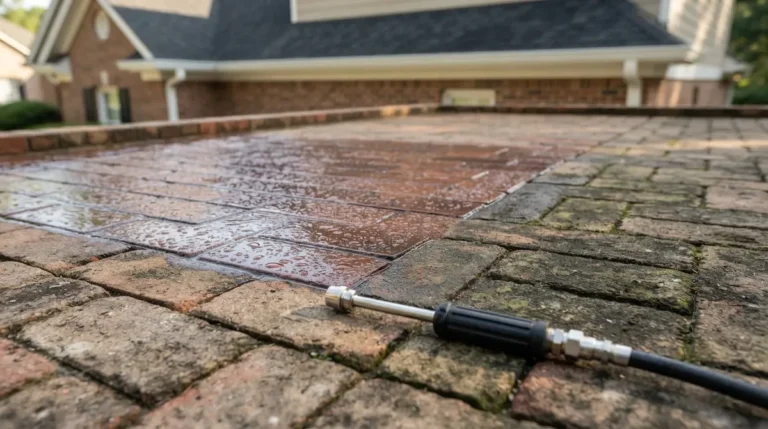
Florida sun, humidity, and rain are tough on outdoor surfaces. Pavers might look tough, but they are porous. That means they soak up moisture, dirt, and organic growth like a sponge.
Over time, this leads to a few common problems:
- Faded color from constant UV exposure
- Green or black algae stains, especially in shady spots
- Sand loss between joints, which causes shifting pavers
- Weed growth pushing up through the cracks
- Slippery surfaces near pools, which can be a safety hazard
- A generally tired, neglected look that hurts curb appeal
Sealing helps protect against all of this. But sealing over dirt and grime just locks in the mess. That is why the search for “patio paver sealing near me” almost always needs to start with a serious conversation about cleaning first.
Paver Cleaning vs. Paver Sealing: What Is the Real Difference?
Let’s clear up the confusion once and for all. These are two separate services that work together, not two names for the same thing.
What Paver Cleaning Actually Does
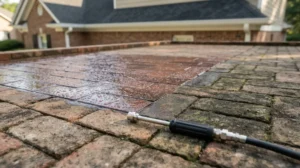
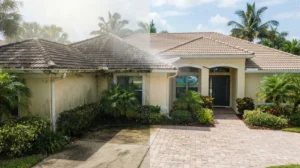
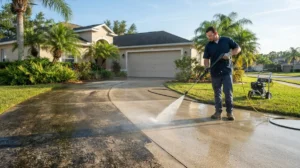
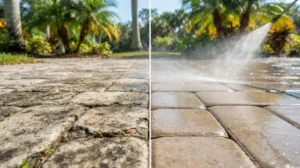
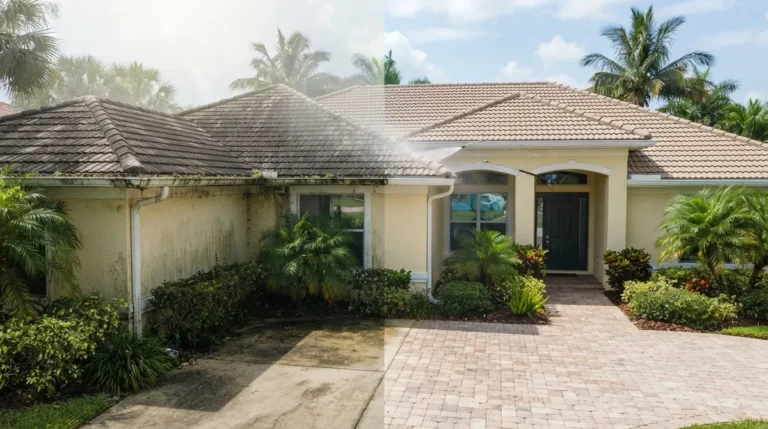
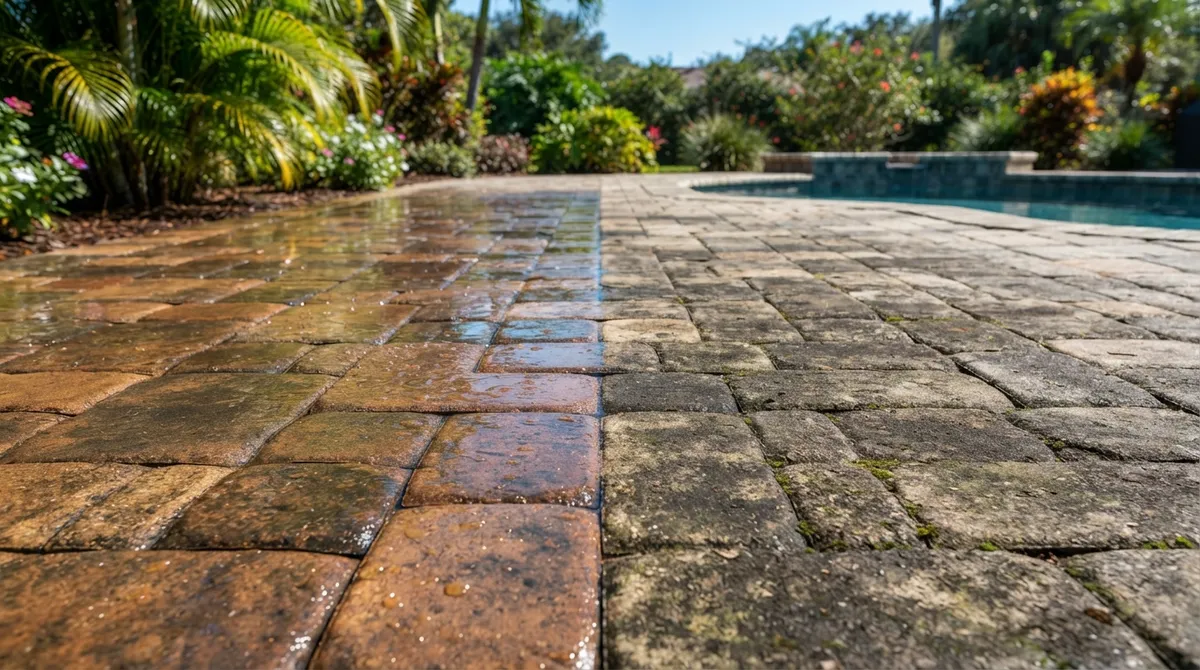
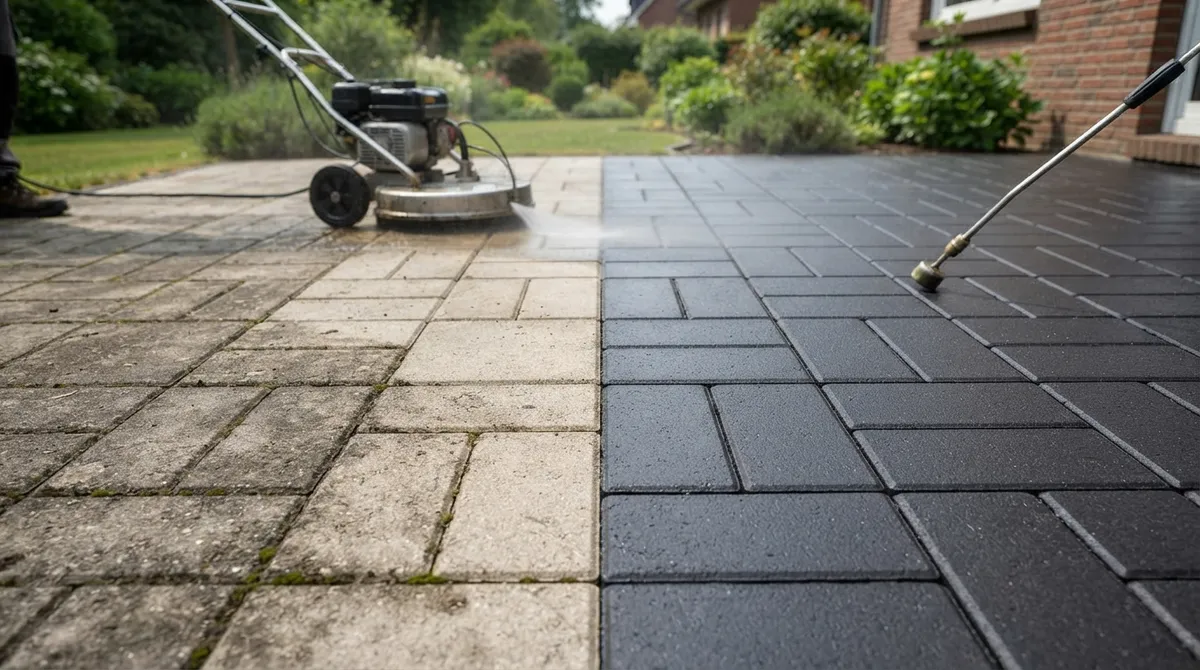
Paver cleaning uses pressure washing to strip away built-up dirt, algae, mold, and old sealant residue. Think of it as a deep reset for your outdoor space. A good patio cleaning service brings back the original color and texture of your pavers.
What Paver Sealing Actually Does
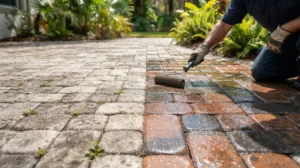
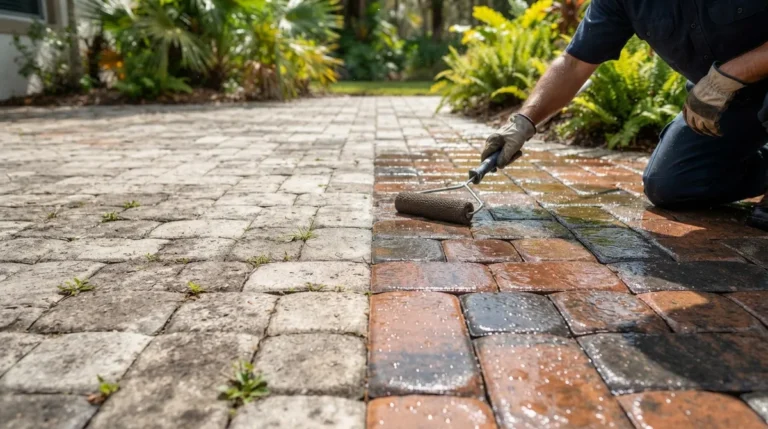
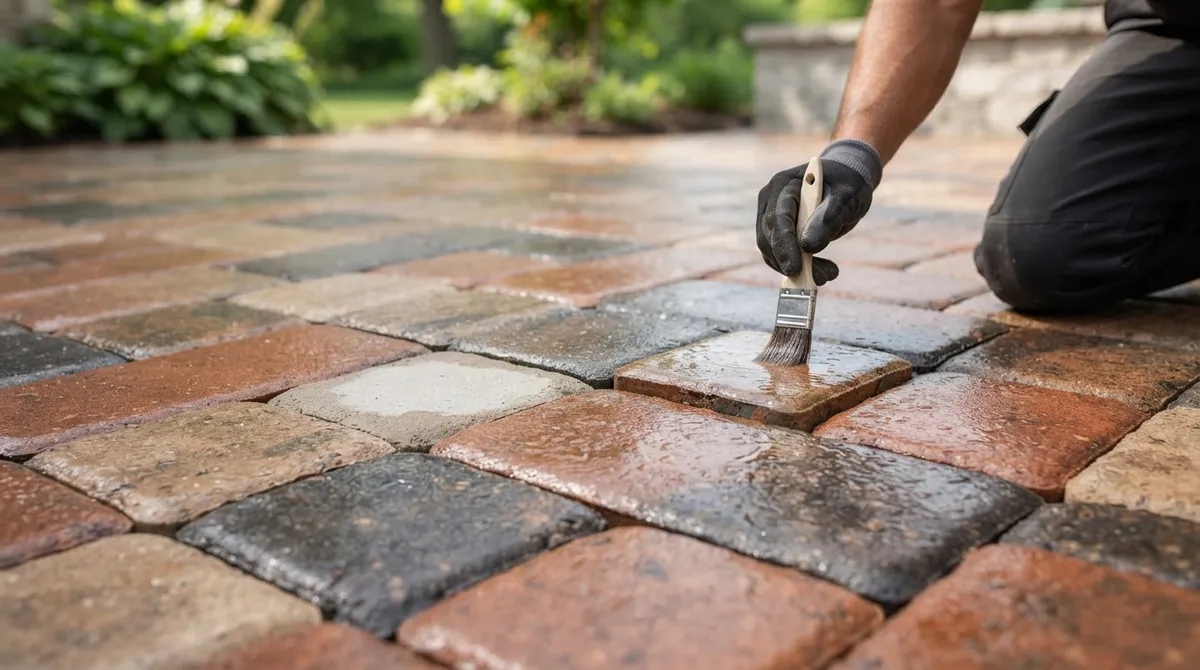
Sealing applies a protective coating over clean, dry pavers. This coating locks in the sand, resists water penetration, blocks UV fading, and makes future cleanups much easier. Sealant acts like sunscreen and rain gear rolled into one for your patio.
| Feature | Paver Cleaning | Paver Sealing |
|---|---|---|
| Main Purpose | Removes dirt, mold, algae, stains | Protects surface and locks in color |
| Frequency Needed | Every 6 to 12 months | Every 2 to 4 years |
| Best Done By | Soft wash or pressure wash pro | Specialty sealing contractor after cleaning |
| Skipping It Leads To | Buildup, staining, slippery surfaces | Faster fading, sand loss, weed growth |
| Immediate Visual Impact | High, instantly brighter | Moderate, glossy or matte finish |
Why Cleaning Should Always Come Before Sealing
Sealing over dirty pavers is like painting over a dusty wall. It might look okay for a minute, but the results will not hold up. Here is why professional cleaning matters so much before any sealant goes down.
- Sealant needs a clean surface to bond properly. Dirt and algae create a barrier that prevents proper adhesion.
- Trapped moisture causes problems later. If mold or algae get sealed in, they can continue growing underneath the coating.
- Old sealant residue must go first. Layering new sealant over old, peeling sealant creates an uneven, patchy look.
- Stains become permanent once sealed. A sealant locks in whatever is on the surface at the time, including oil stains or rust marks.
- Proper cleaning extends sealant lifespan. A clean base means the sealant lasts longer and looks better for years.
This is why so many homeowners searching for paver sealing actually need driveway and concrete cleaning or dedicated paver cleaning first. It is the foundation that makes everything else possible.
Pressure Washing vs. Soft Washing for Pavers: Which Method Wins?
Not every paver surface should be blasted the same way. The right method depends on the paver material, age, and location.
When Pressure Washing Makes Sense
Standard concrete pavers and stone patios can usually handle higher pressure. This method works fast on tough, embedded stains like tire marks, rust, or years of grime. It is often the go-to choice for driveways and pool decks.
When Soft Washing Is the Smarter Choice
Older, softer, or more delicate pavers may need a gentler approach. Soft washing uses lower pressure combined with cleaning solutions to lift dirt without eroding the surface. Curious about the difference? Our article on soft wash vs pressure wash for Florida homes breaks it down in more detail.
A trained technician will look at your specific pavers and choose the method that cleans thoroughly without causing damage. This is one of the biggest reasons DIY paver cleaning can backfire.
Signs Your Patio Pavers Need Cleaning and Sealing Now
Not sure if it is time? Here are some clear warning signs to watch for around your home.
- Water no longer beads up on the surface when it rains
- You notice green, black, or gray discoloration spreading
- Sand between the joints looks low or missing
- Weeds or grass are growing through the cracks
- The surface feels slippery, even when dry
- Your pavers look faded compared to when they were installed
- It has been more than two years since your last sealing job
If you spot even two or three of these signs, it is time to act. Waiting too long often means more expensive repairs down the road, like replacing sand joints or dealing with shifted pavers.
Steps to Take Before Hiring a Local Paver Cleaning and Sealing Pro
Finding the right company for the job does not have to be stressful. Follow these steps to feel confident in your choice.
- Ask if they clean before sealing, or only handle sealing services.
- Check if they use soft washing for sensitive surfaces near pools or landscaping.
- Look at before and after photos in their project gallery.
- Read reviews from homeowners in your area, including on platforms like Yelp.
- Confirm they are familiar with local HOA guidelines if you live in a governed community.
- Ask about eco-friendly cleaning options if that matters to your household.
- Request a clear, upfront quote before any work begins.
For more guidance on choosing the right service overall, check out our tips on how to find reliable pressure washing services near you.
Why Homeowners Across Hillsborough County Trust Buckhorn Power Wash
At Buckhorn Power Wash, we understand Florida pavers face a tough environment. Between the heat, humidity, and heavy summer rains, your patio takes a beating year-round. That is why we focus on doing the cleaning step right, using either pressure washing or soft washing depending on your surface.
We proudly serve homeowners in Tampa, Brandon, Valrico, Riverview, Lithia, and surrounding communities. Our team shows up on time, treats your property with care, and leaves your patio looking like new. You can see what your neighbors are saying by checking out our page on Facebook, or visit us on Google — Buckhorn Power Wash to read more reviews from real customers.
What to Expect During a Professional Paver Cleaning Service
Wondering what actually happens when a crew shows up? Here is a simple breakdown of the process most homeowners can expect.
- A technician inspects your pavers and identifies the right cleaning method.
- Furniture, planters, and other patio items get moved out of the way.
- The surface is pre-treated if there are heavy stains or algae buildup.
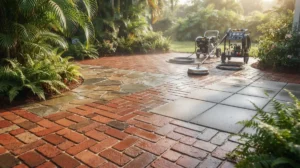
- Pressure washing or soft washing removes dirt, grime, and organic growth.
- The area is rinsed thoroughly and allowed to dry completely.
- If sealing is part of the job, the pavers are checked for full dryness before application.
This process typically takes just a few hours, depending on the size of your patio. It is a small time investment for a patio that looks brand new again.
How Sealing Protects Your Investment Long Term
Think about how much you have already invested in your outdoor living space. Pavers are not cheap, and neither is professional installation. Sealing is one of the most affordable ways to protect that investment.
Here is what a good seal coat does for your patio over time:
- Blocks UV rays that cause fading and discoloration
- Repels water to prevent cracking during freeze-thaw cycles
- Keeps polymeric sand locked in place between joints
- Reduces future algae and mold growth
- Makes future spills and stains easier to wipe away
- Adds a polished, finished look to your outdoor space
For affluent homeowners protecting high-value properties, this small step can make a big difference in long-term maintenance costs. It is a smart move, not just a cosmetic one.
Eco-Friendly Cleaning Matters Too
If you care about the environment, you are not alone. Many Hillsborough County homeowners want their patios clean without harsh chemicals running into their yards or storm drains. Look for a company that uses biodegradable cleaning agents and controls water runoff carefully.
Professional soft washing, in particular, often uses less water overall compared to standard pressure washing while still delivering excellent results. This matters for eco-conscious families who want a clean home without an environmental cost. According to the U.S. Environmental Protection Agency, choosing safer cleaning products helps protect local waterways and wildlife.
Time-Saving Benefits for Busy Homeowners
Let’s be honest. Most people do not want to spend their Saturday on their knees scrubbing patio stones. Hiring a professional means you get your weekend back while still getting a spotless result.
Professional equipment also does the job faster and more evenly than a rented pressure washer ever could. That means less time waiting around and more time actually enjoying your outdoor space with family and friends.
Ready for a Cleaner, Better-Protected Patio?
Searching for patio paver sealing near me is a great first step, but the real magic happens when cleaning and protection work together. A clean, properly sealed patio boosts curb appeal, protects your investment, and gives you one less thing to worry about all year long.
Ready to see the difference professional care can make? Request your free quote today or call us to talk with our friendly team about your patio’s specific needs. We are proud to serve homeowners throughout Hillsborough County, and we cannot wait to help your outdoor space shine again.
FAQs
Q: How often should patio pavers be sealed?
A: Most Hillsborough County patios need resealing every two to four years, depending on sun exposure and foot traffic. If your pavers feel rough or water soaks in instead of beading up, that is a good sign it is time. A quick inspection during your next cleaning can help you nail down the right schedule.
Q: Can I seal my pavers without cleaning them first?
A: We would not recommend it, and honestly, most sealing pros will tell you the same thing. Sealing over dirt, algae, or old sealant residue traps the mess underneath and shortens the life of your seal coat. A thorough cleaning first gives you a smoother finish that actually lasts.
Q: Is soft washing better than pressure washing for pavers?
A: It depends on your paver type and how delicate the surface is. Soft washing is gentler and great for older or more fragile pavers, while pressure washing tackles tougher stains on durable concrete or stone. A professional can assess your patio and pick the safest, most effective method.
Q: Will pressure washing damage my pavers?
A: When done correctly by trained professionals, pressure washing should not damage your pavers at all. The key is using the right pressure level and technique for your specific surface material. This is exactly why hiring experienced pros, rather than renting equipment yourself, makes such a big difference.
Q: How long does it take to clean and seal a patio?
A: Most residential patios take a few hours for cleaning and drying time before sealing can begin. The full process, including proper dry time between steps, might span one to two days depending on weather. It is a small time commitment for years of added protection and curb appeal.