Key Takeaways
-
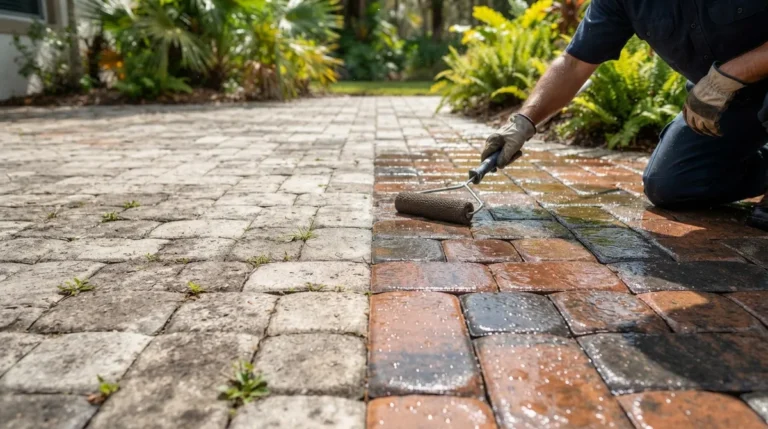
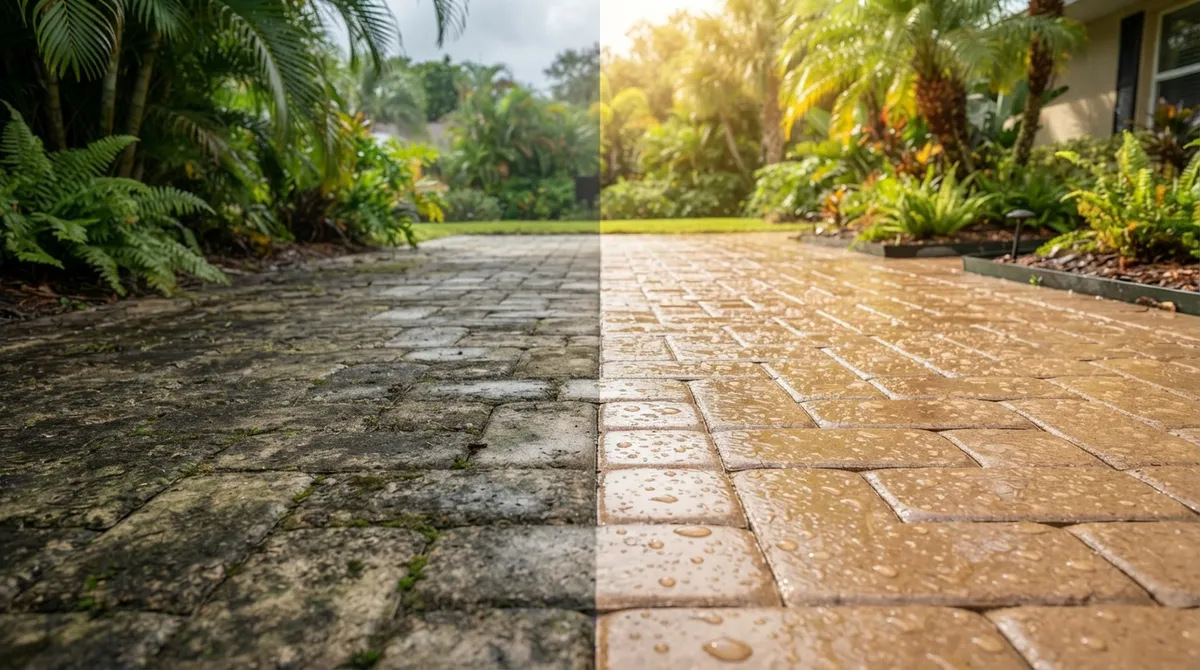
Cleaning and sealing are two separate services with different purposes: cleaning removes dirt and algae, while sealing protects pavers and prevents weeds, so skipping either step compromises long-term results.
-
Florida's high humidity, frequent rain, intense UV exposure, and sandy soil cause pavers to get dirty 3-4 times faster than in other climates, requiring professional cleaning every 6-12 months.
-
DIY pressure washing risks cracking pavers, blasting away joint sand, and creating patchy results, while professional teams use calibrated pressure settings and eco-friendly solutions that cost less in time and frustration.
-
Sealing should only be applied to completely dry, clean pavers after 24-48 hours of drying, as sealing over wet or dirty surfaces traps moisture and algae, actually worsening the problem.
-
Look for local professionals who offer both cleaning and sealing services, use soft washing for delicate surfaces, employ eco-friendly solutions, and are insured and experienced specifically with pavers.
-
Homeowners should consider bundling paver cleaning with other services like roof cleaning, house washing, or gutter cleaning for maximum curb appeal and to address maintenance issues comprehensively.
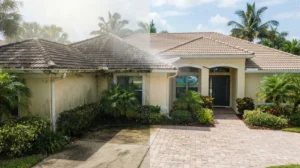
If you’ve been searching “clean and seal pavers near me,” you’re probably standing in your driveway right now, looking at those dingy, weed-filled paver joints and wondering where all the color went. You’re not alone. Hillsborough County homeowners deal with a special kind of paver problem: relentless sun, sudden downpours, and humidity that practically invites algae to move in and stay a while. The good news? Getting your pavers looking brand new isn’t complicated once you understand what “cleaning” and “sealing” actually mean.
A lot of folks assume these two services are the same thing, or that one automatically includes the other. They don’t, and that mix-up can lead to disappointing results or wasted money. In this article, we’ll break down exactly what each service does, when you need one versus both, and how to find a trustworthy team near you in Valrico, Brandon, Riverview, or anywhere else in the county. By the end, you’ll know exactly what to ask for and why Buckhorn Power Wash is the friendly local choice for the job.
What Does “Clean and Seal Pavers” Actually Mean?
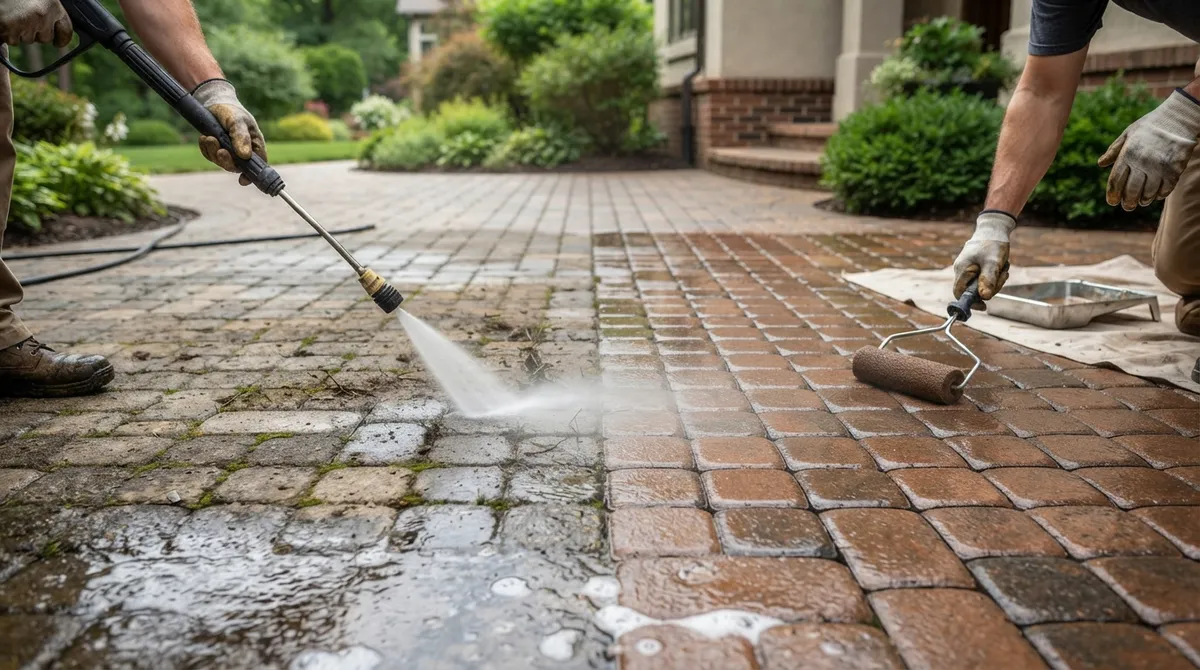
Let’s clear up the confusion right away. Cleaning and sealing are two separate steps that work together to protect your pavers.
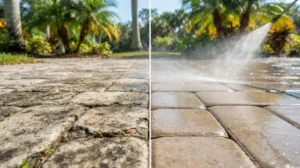
- Cleaning removes dirt, algae, moss, mildew, and stains from the surface of your pavers and the sand joints between them.
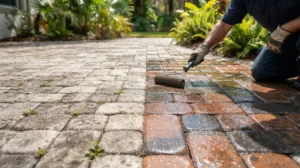
- Sealing applies a protective coating over clean pavers to lock in color, block stains, and stop weeds from popping up between the joints.
Think of it like washing your car before waxing it. You wouldn’t wax a dirty car and expect it to shine. The same logic applies here. Skipping the cleaning step and jumping straight to sealing traps dirt and algae under the coating, which actually makes problems worse over time.
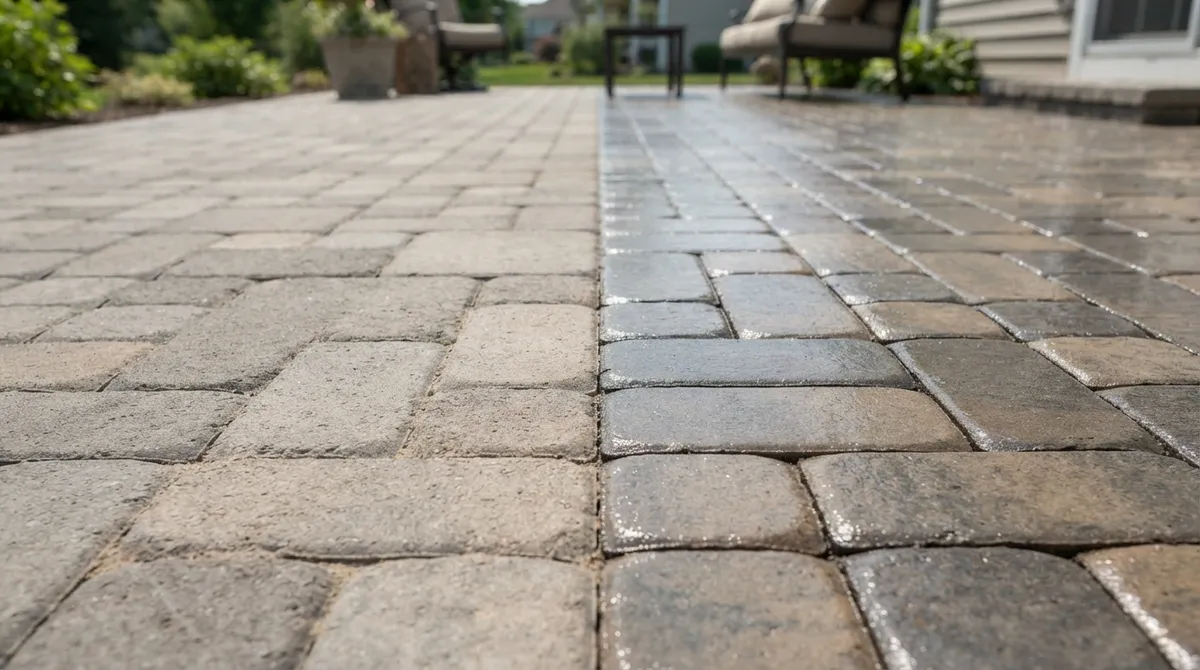
Paver Cleaning vs. Paver Sealing: A Side-by-Side Look
Here’s a simple breakdown to help you understand what each service involves and why both matter.
| Feature | Paver Cleaning | Paver Sealing |
|---|---|---|
| Main Purpose | Removes dirt, algae, mold, and stains | Protects pavers and locks in fresh look |
| Method Used | Soft washing or pressure washing | Applied sealant, usually brushed or sprayed |
| How Often Needed | Every 6-12 months in Florida climates | Every 2-3 years, depending on foot traffic |
| Weed Prevention | Temporary, weeds return without sealing | Long-term joint stabilization |
| Best For | Homes with visible algae, moss, or grime | Homes wanting long-lasting color and protection |
Notice that cleaning and sealing solve different problems. If your goal is a quick refresh before a family gathering, cleaning alone might do the trick. If you want your pavers to stay bright and weed-free for years, sealing after cleaning is the smarter long-term investment.
Why Hillsborough County Pavers Get Dirty So Fast
Living in Florida means dealing with conditions that are tough on outdoor surfaces. Understanding why your pavers get grungy helps explain why regular maintenance matters so much.
- High humidity creates the perfect breeding ground for algae and mold.
- Frequent rain washes dirt and organic debris into paver joints.
- Intense UV exposure fades unsealed pavers faster than in cooler climates.
- Sandy soil tracks onto driveways and patios, settling into every crack.
- Tree pollen and oak debris stain surfaces if left untreated for too long.
If you’ve noticed your patio or driveway looking dull within just a few months of cleaning, you’re not imagining it. This is simply how Florida weather works, and it’s exactly why local expertise matters more than a one-size-fits-all approach.
Signs You Need Professional Paver Cleaning
Not sure if it’s time to call in the pros? Look for these common warning signs around your property.
- Green or black streaks across driveway or walkway pavers
- Weeds sprouting between joints despite regular pulling
- Faded or blotchy color compared to when they were installed
- Slippery texture near pool decks or shaded patio areas
- Visible efflorescence, that white chalky residue on concrete pavers
- Standing water that doesn’t drain properly after rain
Any of these signs mean it’s time for a deep clean. Left untreated, algae and mold don’t just look bad. They can actually make walkways dangerously slippery, which is a real safety concern for homes with kids, pets, or older family members.
The Professional Cleaning Process, Step by Step
Wondering what actually happens when a professional team shows up to tackle your pavers? Here’s the typical process homeowners can expect.
- Inspection: The technician checks paver type, joint condition, and problem areas like stains or moss buildup.
- Pre-treatment: A safe cleaning solution is applied to break down algae, mold, and organic growth.
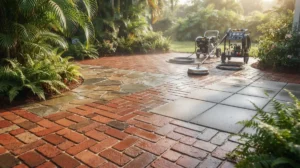
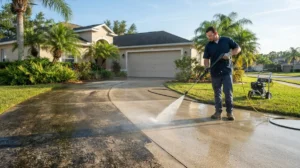
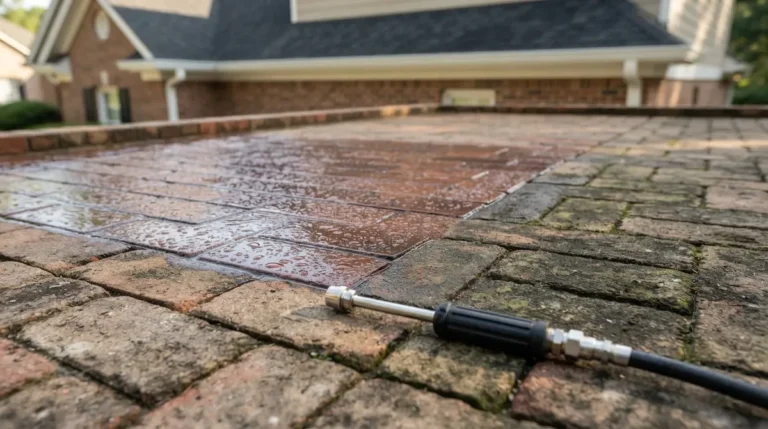
- Washing: Using the right pressure setting, the surface is cleaned without damaging the paver material or eroding joint sand.
- Rinsing: All cleaning residue is rinsed away, leaving a bright, refreshed surface.
- Drying time: Pavers need to dry completely, usually 24 to 48 hours, before any sealant goes on.
- Sealing (if chosen): A quality sealant is applied evenly to protect against future staining and weed growth.
This is exactly the kind of methodical approach the team at Buckhorn Power Wash follows on every job. Choosing the correct pressure level matters, too. That’s part of the reason understanding soft wash vs. pressure wash methods is so important before hiring anyone to touch your pavers.
DIY Paver Cleaning: Worth the Weekend?
We get it. Renting a pressure washer from the hardware store feels like a money-saving shortcut. But before you spend your Saturday wrestling with a rental machine, consider these realities.
The Risks of DIY Paver Cleaning
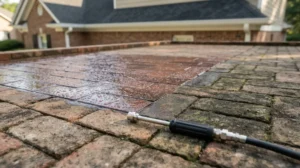
- Using too much pressure can crack pavers or blast away joint sand
- Incorrect chemical mixtures can discolor or damage the surface
- Uneven cleaning leaves patchy results that look worse than before
- Sealing over improperly dried pavers traps moisture and causes cloudiness
- Rental equipment often lacks the power needed for tough algae stains
For busy homeowners and time-poor professionals, the math rarely works out. A rental machine, cleaning solution, and a full weekend of labor often costs more in time and frustration than simply hiring experts who get it right the first time. Our detailed comparison on DIY vs. professional exterior cleaning breaks this down even further.
Why Professional Service Wins for Most Homeowners
There’s a reason so many Hillsborough County residents skip the DIY route entirely. Professional pressure washing companies bring experience, proper equipment, and safe techniques that protect your investment.
Benefits of Hiring a Pro
- Correct pressure settings calibrated for your specific paver material
- Eco-friendly cleaning solutions that are safer for landscaping and pets
- Faster turnaround, often finishing in hours instead of an entire weekend
- Proper sealant application that lasts years, not months
- Peace of mind knowing the job is insured and done correctly
This is especially valuable for HOA-compliant residents who need consistent curb appeal to avoid fines, and for affluent property owners who want to protect a significant investment in outdoor living spaces. Learn more about what makes professional pressure washing services worth it before deciding to go it alone.
Eco-Friendly Cleaning: A Smart Choice for Florida Homes
If you care about the environment and your family’s health, you’ll be glad to know modern paver cleaning doesn’t have to involve harsh chemicals. Soft washing techniques use biodegradable solutions that break down organic growth without harming plants, pets, or nearby waterways.
This matters a lot in Hillsborough County, where many homes sit close to retention ponds, canals, or natural wetlands. Choosing a company that understands responsible water usage and eco-conscious products protects both your yard and the local ecosystem. According to the U.S. Environmental Protection Agency, reducing chemical runoff into stormwater systems helps protect local waterways from pollution.
How Often Should You Clean and Seal Pavers?
Timing matters just as much as technique. Here’s a general guideline for Florida homeowners.
| Service | Recommended Frequency | Why It Matters |
|---|---|---|
| Basic Cleaning | Every 6-12 months | Prevents algae buildup before it stains |
| Deep Cleaning | Once a year, or when visibly dirty | Removes stubborn mold and organic growth |
| Sealing | Every 2-3 years | Maintains color and blocks moisture damage |
| Spot Treatments | As needed | Addresses oil stains, rust marks, or spills quickly |
Homes near pools, under large oak trees, or in shaded areas often need cleaning more frequently. If you’re unsure where your pavers stand, a quick inspection from a local team can settle the question fast.
Choosing the Right Local Team
Not every pressure washing company treats pavers the same way. Here’s what to look for when comparing options in Hillsborough County.
- Ask if they use soft washing for delicate surfaces and higher pressure only where appropriate.
- Check reviews from real customers in your area, not just generic testimonials.
- Confirm they offer both cleaning and sealing, so you’re not stuck hiring two separate companies.
- Look for eco-friendly cleaning solutions if environmental impact matters to you.
- Verify they’re insured and experienced specifically with paver surfaces.
Buckhorn Power Wash checks every one of these boxes for homeowners across Tampa, Brandon, Valrico, Riverview, and Lithia. You can browse real results in our project gallery or explore our full list of exterior cleaning services to see how we handle everything from driveways to roofs.
Curious what other homeowners think? Check out reviews on Facebook or read honest feedback on Yelp before making your decision. You can also visit us on Google — Buckhorn Power Wash to see photos and ratings from neighbors near you.
Protecting Your Investment Beyond the Pavers
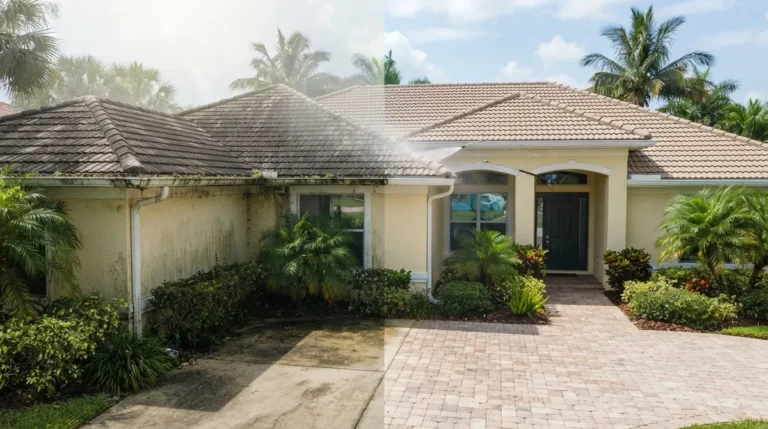
While you’re already thinking about curb appeal, it’s worth mentioning that pavers rarely exist in isolation. Clean driveways look odd next to a moldy roof or dirty siding. Many homeowners bundle paver cleaning with other services like house washing, roof cleaning, or driveway and concrete cleaning to get the full curb appeal boost all at once.
If your gutters are overflowing or your fence looks tired too, it might be time for a broader refresh. Check out our guide on curb appeal mistakes that make your home look neglected for more ideas on where to focus your attention next.
Final Thoughts: Getting Pavers That Actually Last
Searching “clean and seal pavers near me” is the first smart step toward a driveway, patio, or walkway that looks great and stays that way. The trick is understanding that cleaning and sealing are separate steps, each with its own purpose, and both matter if you want lasting results. Skip either one, and you’re likely to be back where you started within a matter of months.
Whether you’re an HOA resident trying to avoid a warning letter, a busy professional who’d rather spend Saturday relaxing than scrubbing concrete, or simply someone who takes pride in a beautiful home, professional help makes all the difference. Buckhorn Power Wash proudly serves homeowners throughout Hillsborough County with dependable, affordable, and eco-conscious cleaning and sealing services.
Ready to see your pavers looking brand new again? Get a free instant quote today and find out how easy restoring your outdoor spaces can be, or simply call us to talk through your project with a friendly local team.
FAQs
Q: How often should I clean and seal pavers near me in Hillsborough County?
A: In our humid Florida climate, we recommend cleaning pavers every 6 to 12 months and sealing every 2 to 3 years. Homes near pools or shaded areas may need cleaning a bit more often since algae loves that moisture!
Q: Can I just seal my pavers without cleaning them first?
A: We really don’t recommend it! Sealing over dirty pavers traps algae, dirt, and stains underneath the coating, which actually locks in the problem instead of solving it. Always clean first, let everything dry fully, then seal for the best results.
Q: Is pressure washing safe for all types of pavers?
A: Great question, and the answer depends on the material. Concrete pavers usually handle moderate pressure just fine, while softer materials may need a gentler soft wash approach. That’s why it helps to have an experienced local team assess your specific pavers before starting.
Q: How long does it take for sealed pavers to dry before I can walk on them?
A: Most sealants need about 24 to 48 hours to cure properly, though foot traffic is often okay after a few hours. We’ll always let you know the exact timeline based on the sealant used and our Florida humidity that day.
Q: Will cleaning and sealing get rid of weeds between my pavers for good?
A: Sealing does a wonderful job stabilizing joint sand and discouraging new weed growth, though nothing is 100% permanent in Florida’s growing season. Regular maintenance cleanings help keep those pesky weeds from making a comeback!