Key Takeaways
-
Use a surface cleaner attachment and 15-25 degree nozzle tip to prevent streaky, uneven patches and avoid harsh lines from wand-only cleaning.
-
Apply a pre-treatment degreaser or driveway-safe cleaner 10-15 minutes before pressure washing to break down oil stains, rust spots, and algae effectively.
-
Maintain 3,000-3,500 PSI pressure on concrete; holding the nozzle too close or using excessive pressure can etch or pit the driveway surface permanently.
-
Work in overlapping sections and rinse thoroughly with leftover cleaning solution removal, then allow complete drying before parking or walking on the driveway.
-
Clear debris and loose gravel beforehand with a broom or leaf blower so the pressure washer focuses on actual stains rather than debris removal.
-
Schedule professional cleaning 1-2 times yearly for most Hillsborough County homes, especially those near trees or shaded areas prone to faster algae growth.
Your driveway takes a beating every single day. Sun, rain, tire marks, oil drips, and Florida’s humid air team up to create stains and slick algae spots. If you’ve been searching for the best way to pressure wash a driveway, you’re already ahead of most homeowners who just ignore the problem until it looks embarrassing.
Here in Hillsborough County, driveways face extra challenges. Our warm, wet climate is a perfect breeding ground for mold, mildew, and algae. That greenish-black film you see creeping across your concrete? It’s not just ugly. It’s actually slippery and can become a safety hazard for your family and guests. The good news is that cleaning it properly isn’t complicated once you know the right steps.
In this guide, we’ll walk you through exactly how to pressure wash a driveway the right way, plus explain why so many busy homeowners in our area choose to request a free quote instead of tackling it themselves. Whether you’re a hands-on DIYer or someone who’d rather spend Saturday relaxing with family, this article has something useful for you.
Why Driveway Cleaning Matters More Than You Think
A clean driveway does more than look nice. It protects your investment and keeps your home looking cared for. Here’s why it deserves your attention.
- Stained, dirty concrete lowers your home’s curb appeal instantly
- Algae and mold create slip hazards for kids, pets, and visitors
- Many HOA communities require driveways to be free of stains and buildup
- Oil and rust stains can eat into concrete if left untreated for years
- A clean driveway boosts resale value when you’re ready to sell
If you live in an HOA-governed neighborhood, you already know how strict some communities can be. A dirty driveway can trigger a violation notice faster than you’d expect. Regular cleaning keeps you compliant and stress-free.
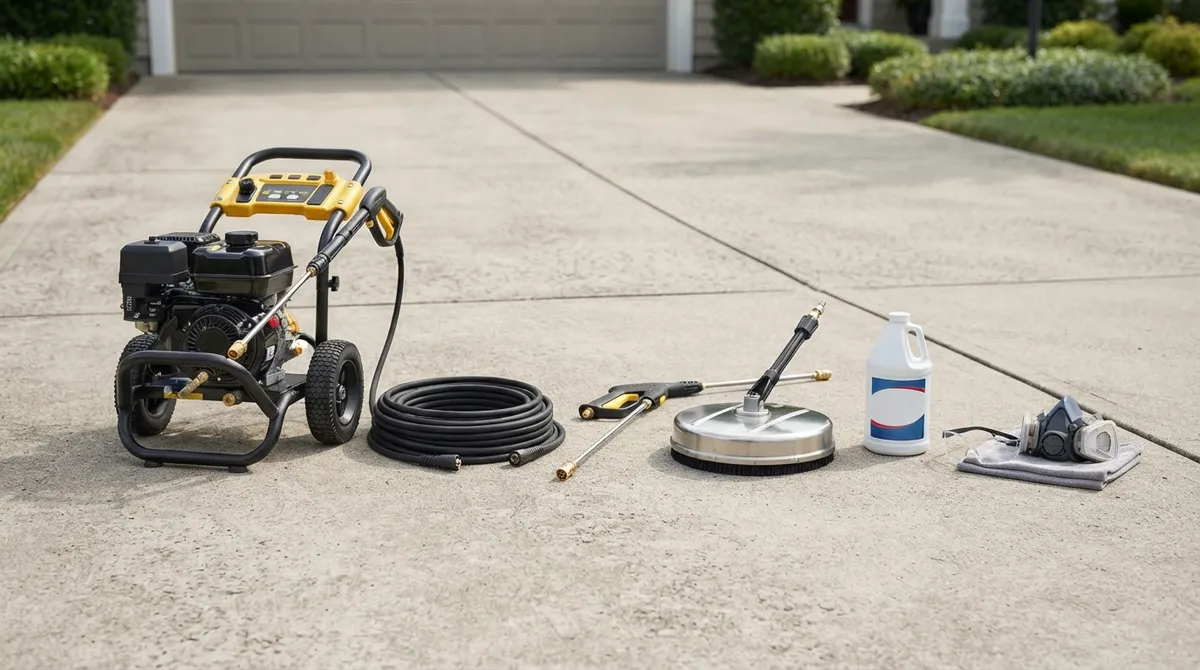
What You Need Before You Start
Before jumping into the job, gather the right tools. Using the wrong equipment is one of the biggest reasons DIY driveway cleaning goes wrong.
Basic Equipment Checklist
- A gas or electric pressure washer with at least 3,000 PSI for concrete
- A surface cleaner attachment for even, streak-free results
- A degreaser or driveway-safe cleaning solution
- Protective eyewear and closed-toe shoes
- A broom or leaf blower to clear debris beforehand
Skipping any of these steps can lead to uneven cleaning or even damage to your concrete. Many homeowners underestimate how much force a pressure washer puts out, and that’s where mistakes happen.
The Best Way to Pressure Wash a Driveway: Step by Step
Follow this simple process to get professional-level results without harming your concrete.
1. Clear the Area First
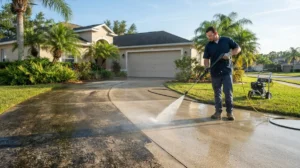
Remove cars, bikes, potted plants, and any loose debris. Sweep away leaves, dirt, and loose gravel so your pressure washer can focus on the actual stains.
2. Apply a Pre-Treatment Solution
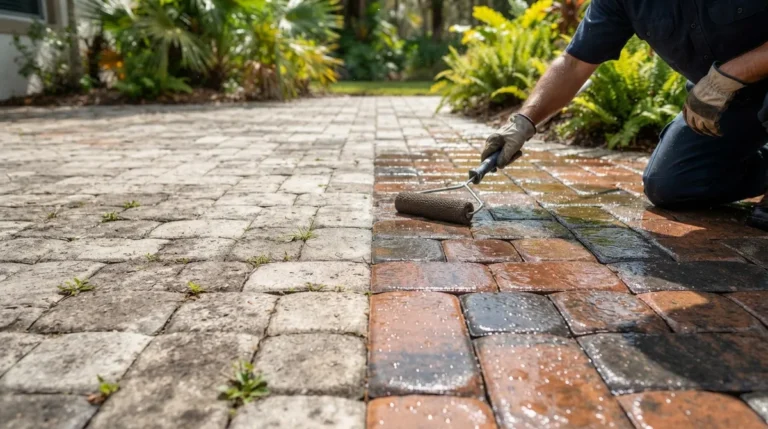
Spray a driveway-safe degreaser or cleaner over oil stains, rust spots, and algae patches. Let it sit for 10 to 15 minutes so it can break down grime before you blast it away.
3. Choose the Right Pressure Washer Settings
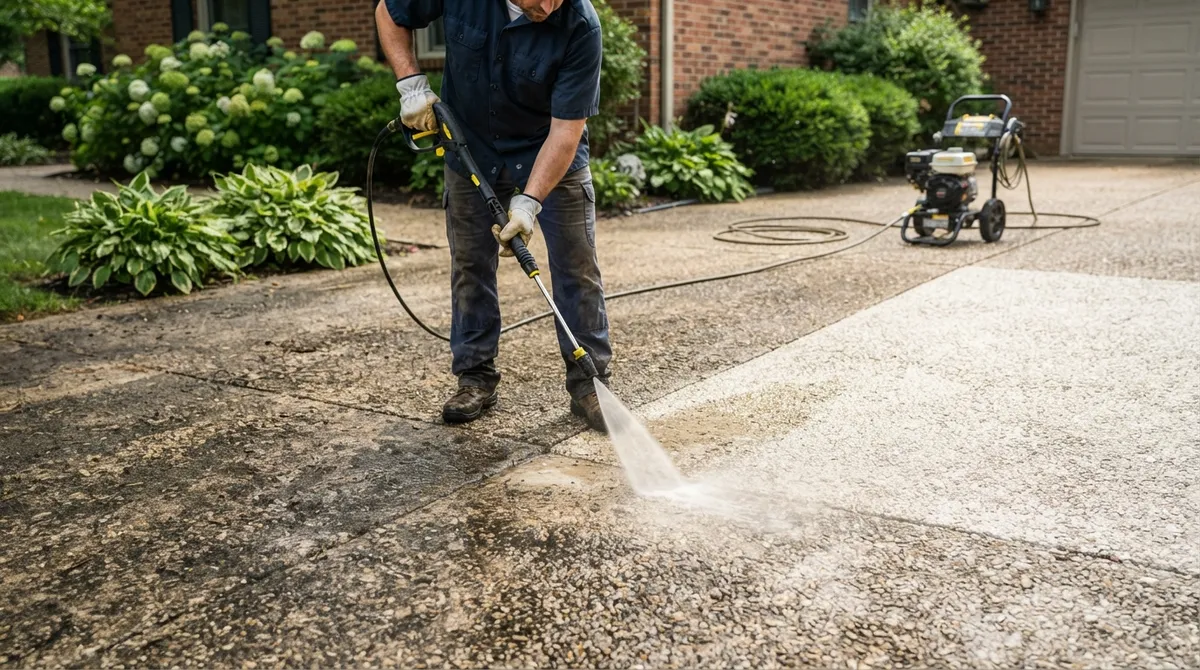
Concrete can handle higher pressure than siding or roofing, but that doesn’t mean you should max out your machine. A 15 to 25 degree nozzle tip usually works best for driveways.
4. Work in Sections
Divide your driveway into manageable sections. Overlap each pass slightly to avoid streaky, uneven patches.
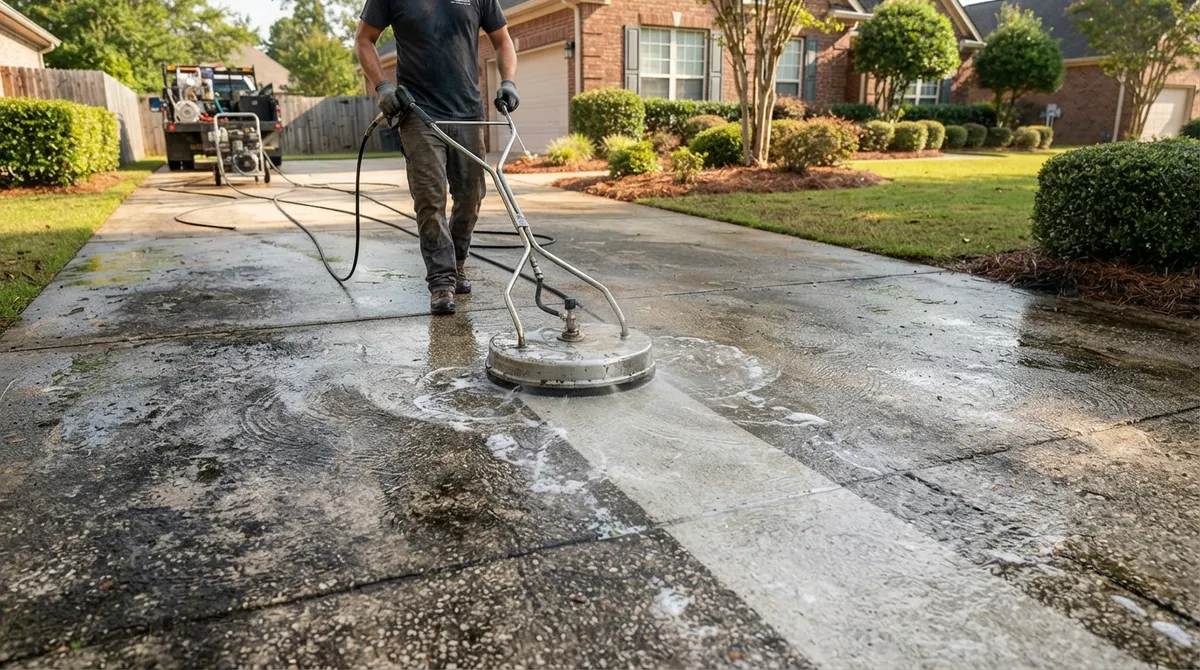
5. Use a Surface Cleaner Attachment
This tool spins in a circular motion and distributes pressure evenly. It prevents the harsh lines you often see with DIY jobs done using just a wand.
6. Rinse and Inspect
After cleaning, rinse thoroughly to remove leftover cleaning solution. Walk the entire driveway to check for missed spots or stubborn stains that need a second pass.
7. Let It Dry Completely
Avoid parking cars or walking on the driveway until it’s fully dry. This helps prevent new dirt or oil from soaking back into the clean concrete.
Common DIY Driveway Cleaning Mistakes
Even well-meaning homeowners make mistakes that cause damage or wasted effort. Here are the ones we see most often.
- Using too much pressure, which can etch or pit the concrete surface
- Holding the nozzle too close, creating uneven, blotchy cleaning marks
- Skipping the pre-treatment step, resulting in stubborn leftover stains
- Using bleach instead of a proper driveway cleaner, which can discolor concrete
- Forgetting to protect nearby landscaping from chemical runoff
- Cleaning during the hottest part of the day, causing solutions to dry too fast
These mistakes are easy to make if you’re not experienced with pressure washing equipment. That’s exactly why so many homeowners in Hillsborough County turn to professionals instead of risking their concrete.
DIY vs Professional Pressure Washing: A Quick Comparison
Still on the fence about doing it yourself? Take a look at how the two options stack up.
| Factor | DIY Pressure Washing | Professional Pressure Washing |
|---|---|---|
| Equipment Quality | Consumer-grade, limited power | Commercial-grade, higher efficiency |
| Time Required | Several hours, including setup and cleanup | Usually completed same day, fast turnaround |
| Risk of Damage | Higher, especially for beginners | Low, handled by trained technicians |
| Cleaning Solutions | Store-bought, may be less effective | Professional-grade, eco-friendly options |
| Results | Inconsistent, streaky in some cases | Even, streak-free, long-lasting |
| Safety | Risk of slips, chemical exposure | Safety protocols followed by trained crew |
If you’re a busy professional or simply don’t want to spend your weekend wrestling with a rented pressure washer, hiring a pro makes life a lot easier. You can read more about this comparison in our article on DIY vs. Professional Exterior Cleaning.
Why Hillsborough County Homeowners Trust Buckhorn Power Wash
Buckhorn Power Wash has built a reputation across Hillsborough County for reliable, affordable, and professional exterior cleaning. From Tampa to Brandon, Valrico to Riverview, our team understands the unique challenges Florida weather creates for driveways and concrete surfaces.
We use commercial-grade equipment paired with safe, effective cleaning solutions to remove tough stains without damaging your concrete. Our Driveway & Concrete Cleaning service is designed to restore your driveway’s original look, whether it’s dealing with oil stains, rust spots, or years of algae buildup.
We also understand that many of our customers care about the environment. Our soft washing and pressure washing methods use minimal water waste and eco-conscious detergents whenever possible, so you get a clean driveway without harming your lawn, plants, or local waterways.
Eco-Friendly Driveway Cleaning Options
If you’re an eco-conscious homeowner, you’ll be glad to know that pressure washing doesn’t have to mean harsh chemicals or wasted water. Here’s what to look for.
- Biodegradable cleaning solutions that break down safely
- Low-water techniques that reduce runoff into storm drains
- Professional equipment that uses water more efficiently than consumer models
- Trained technicians who know how to avoid overspray onto plants and grass
Choosing a company that values these practices means you get a spotless driveway while protecting your yard and the surrounding environment.
How Often Should You Pressure Wash Your Driveway?
Most homes in Hillsborough County benefit from a professional driveway cleaning once or twice a year. Homes near trees, ponds, or shaded areas may need cleaning more often due to faster algae growth. If your driveway is part of an HOA-governed community, check your community guidelines, since some require cleaning schedules to maintain a consistent neighborhood appearance.
Signs You Need Cleaning Sooner
- Dark streaks or green patches appearing across the surface
- Visible oil or rust stains that weren’t there before
- A slippery texture when the concrete gets wet
- Noticeable odor from mold or mildew buildup
If you notice any of these signs, it’s a good idea to get a quote and schedule a cleaning before the problem worsens.
Protecting Your Investment for the Long Term
A pressure washed driveway isn’t just about looks. It’s about protecting one of the biggest investments you have, your home. Regular cleaning prevents long-term staining, reduces slip hazards, and keeps your property looking its best for neighbors, guests, and potential buyers down the road.
Affluent homeowners in high-value neighborhoods often schedule cleanings as part of a broader home maintenance routine that includes House Washing and Roof Cleaning. Keeping every exterior surface clean creates a cohesive, well-maintained look that boosts overall property value.
What to Expect When You Hire a Professional
Not sure what happens during a professional driveway cleaning appointment? Here’s a simple breakdown of the process.
- You request a quote online or by phone, often with instant pricing
- A technician arrives on the scheduled day with commercial equipment
- The team pre-treats stains and clears debris from the surface
- Pressure washing begins using a surface cleaner for even results
- The crew inspects the finished job and addresses any remaining spots
- You get a driveway that looks brand new, often in under an hour
This process is fast, safe, and far less stressful than doing it yourself. Plus, you won’t need to rent or store bulky equipment you’ll only use once or twice a year.
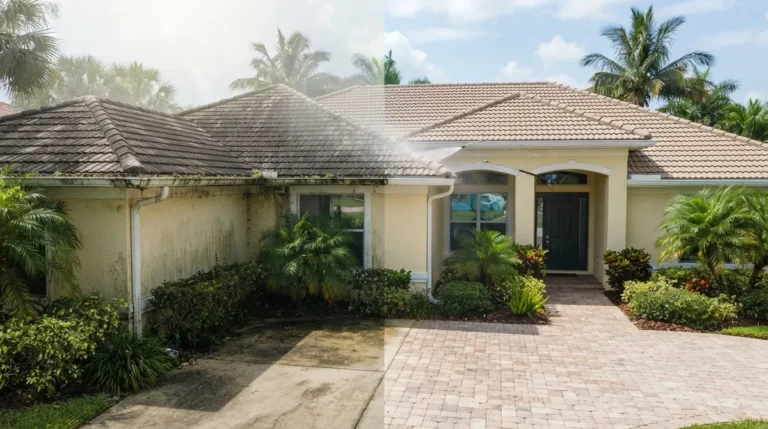
Curious what other homeowners in the area think? You can visit us on Google — Buckhorn Power Wash to see reviews, or check out our Yelp page for honest feedback from real customers. We also share before-and-after photos on Facebook, so you can see the difference professional cleaning makes.
Final Thoughts on Driveway Cleaning
Knowing the best way to pressure wash a driveway can save you time, money, and a lot of frustration. Whether you decide to tackle it yourself or leave it to the pros, the key is using the right technique, the right pressure, and the right cleaning solutions. For Hillsborough County homeowners who value their time and want guaranteed results, professional service is often the smarter choice.
Ready to see your driveway looking brand new again? Get a free quote today or give us a call to schedule your cleaning. Buckhorn Power Wash is proud to serve homeowners across Tampa, Brandon, Valrico, Riverview, Lithia, and beyond with dependable, affordable, and professional results you can count on.
FAQs
Q: What is the best PSI for pressure washing a driveway?
A: For most concrete driveways, somewhere between 3,000 and 3,500 PSI works great. Anything higher can risk etching the surface, so it’s always better to start lower and adjust as needed.
Q: How often should I pressure wash my driveway?
A: Most Hillsborough County homes do well with a cleaning once or twice a year. If you notice algae, stains, or slippery spots showing up sooner, it’s worth scheduling a cleaning right away.
Q: Can pressure washing damage my concrete driveway?
A: It can, but only if the pressure is too high or the nozzle is held too close for too long. That’s why many homeowners prefer hiring a trained professional who knows how to avoid these common mistakes.
Q: Is it better to hire a professional or rent a pressure washer myself?
A: Renting can save a little money upfront, but professionals bring commercial-grade equipment, proper technique, and eco-friendly solutions that usually deliver better, longer-lasting results with zero risk to your concrete.
Q: Does pressure washing remove oil stains from a driveway?
A: Yes, especially when paired with a degreaser applied before washing. Fresh stains come out easily, while older, deeper stains may need a couple passes or a stronger treatment solution.